This article contains affiliate links. If you buy through one, Hyggero earns a small commission at no cost to you. It never changes what we recommend.
The short list
Five picks for everyday routines
Hooks for the coat, open baskets for daily supplies, upright paper storage, a visual timer, and a sorter for laundry. Start with the routine you want to make easier.
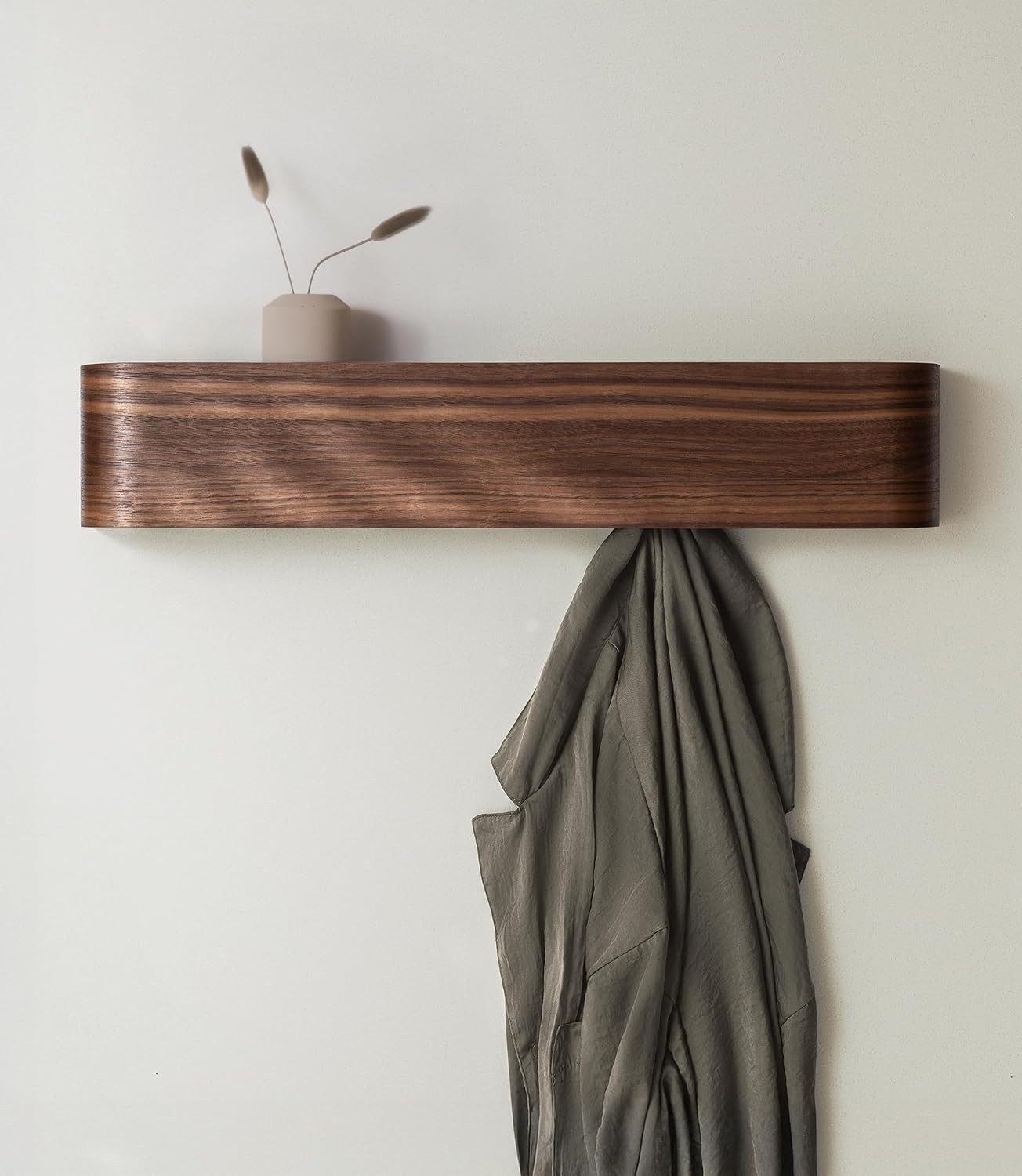
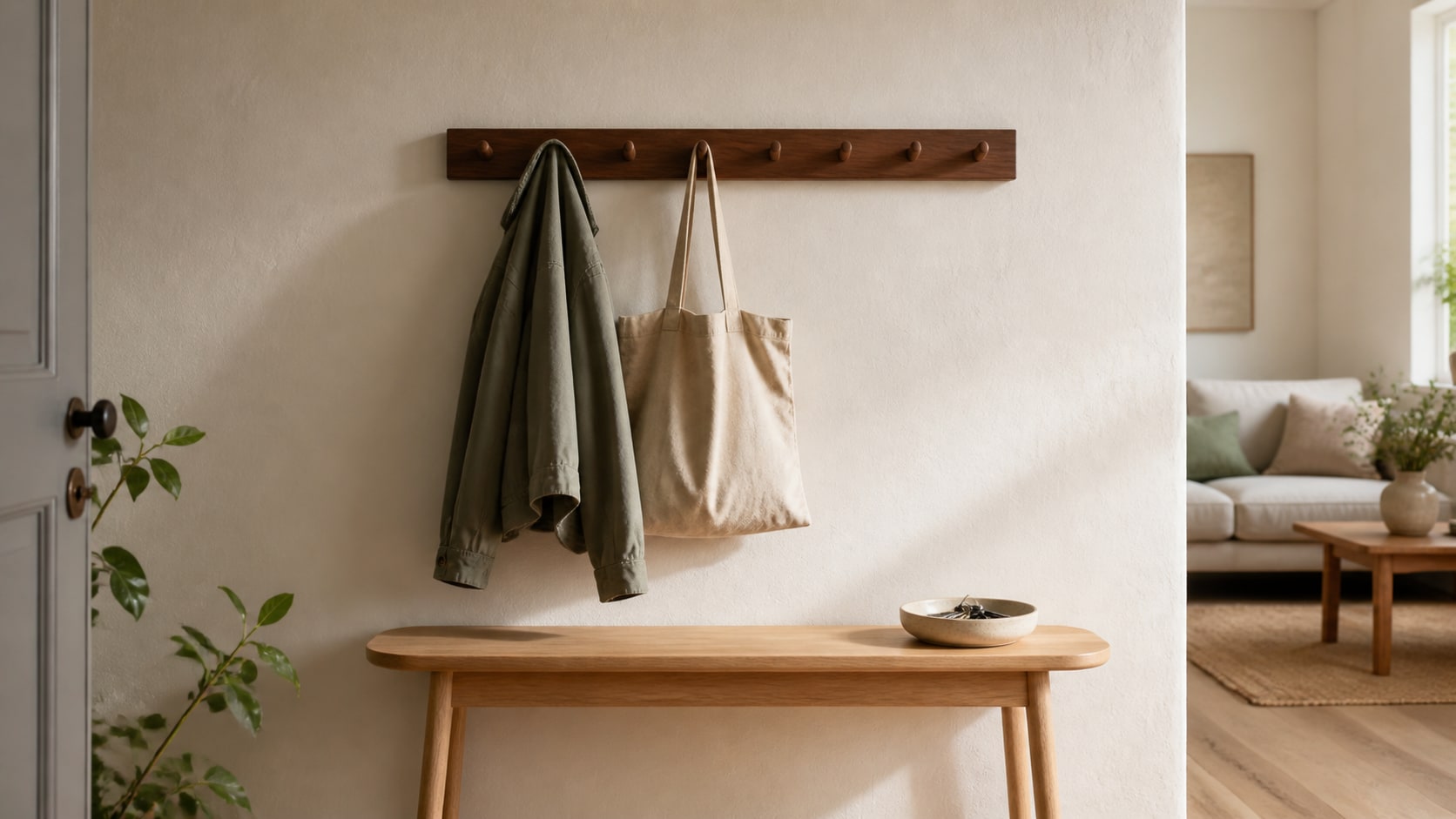
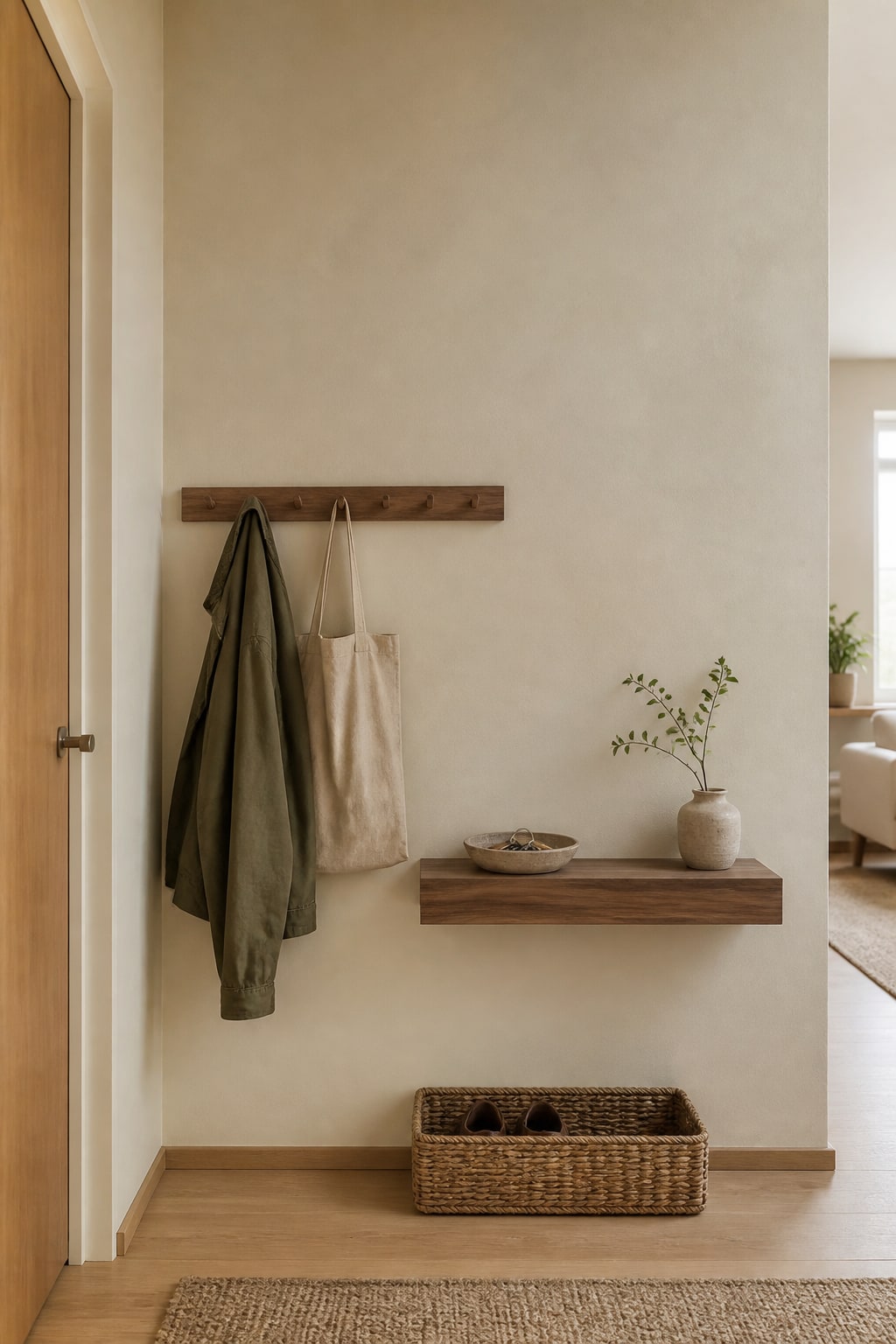
Walnut wall-mounted hook rail
Foldaway hooks keep daily coats and bags beside the door.
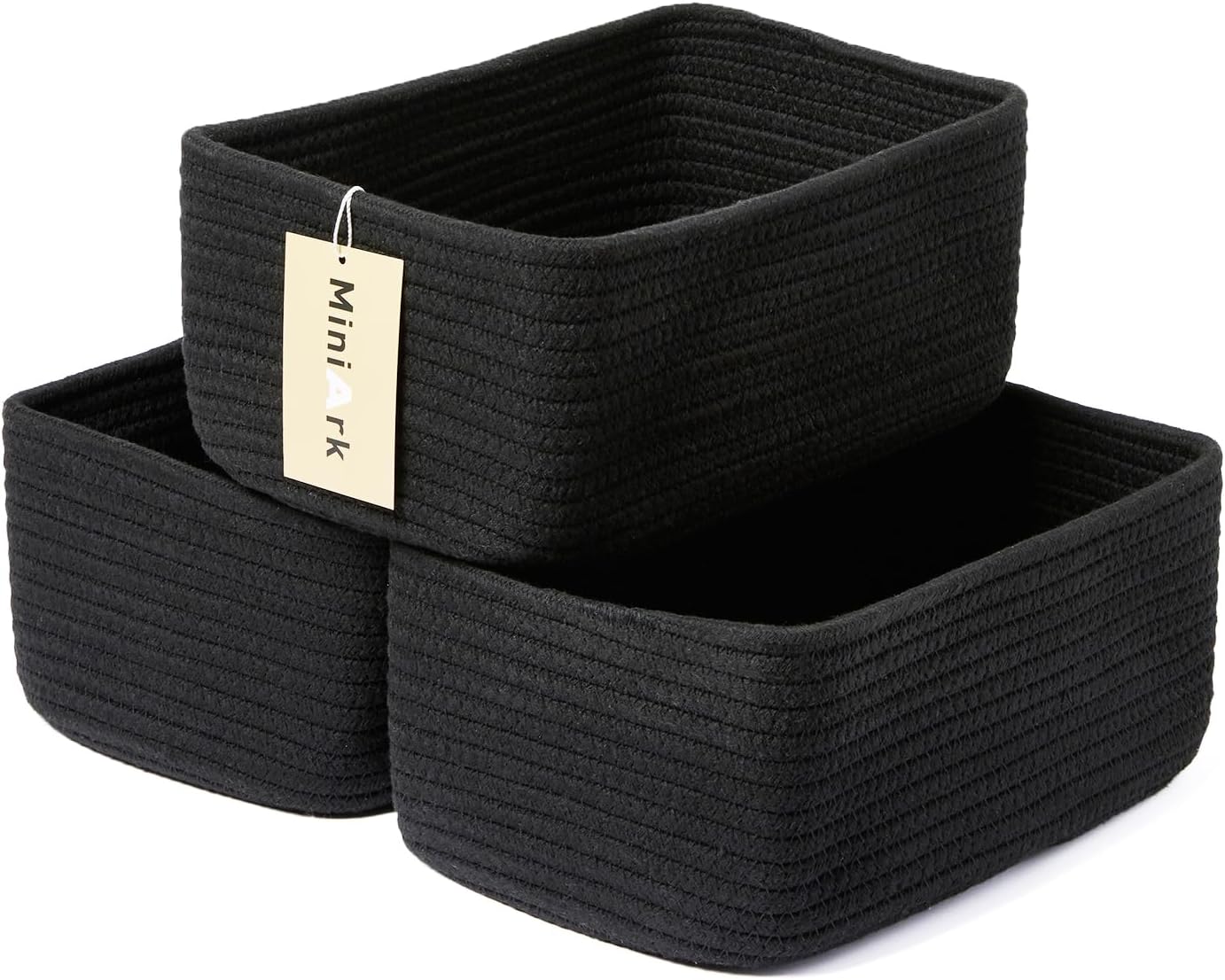
Cotton-rope storage baskets
Open baskets keep cables, toiletries or pet supplies together and in view.
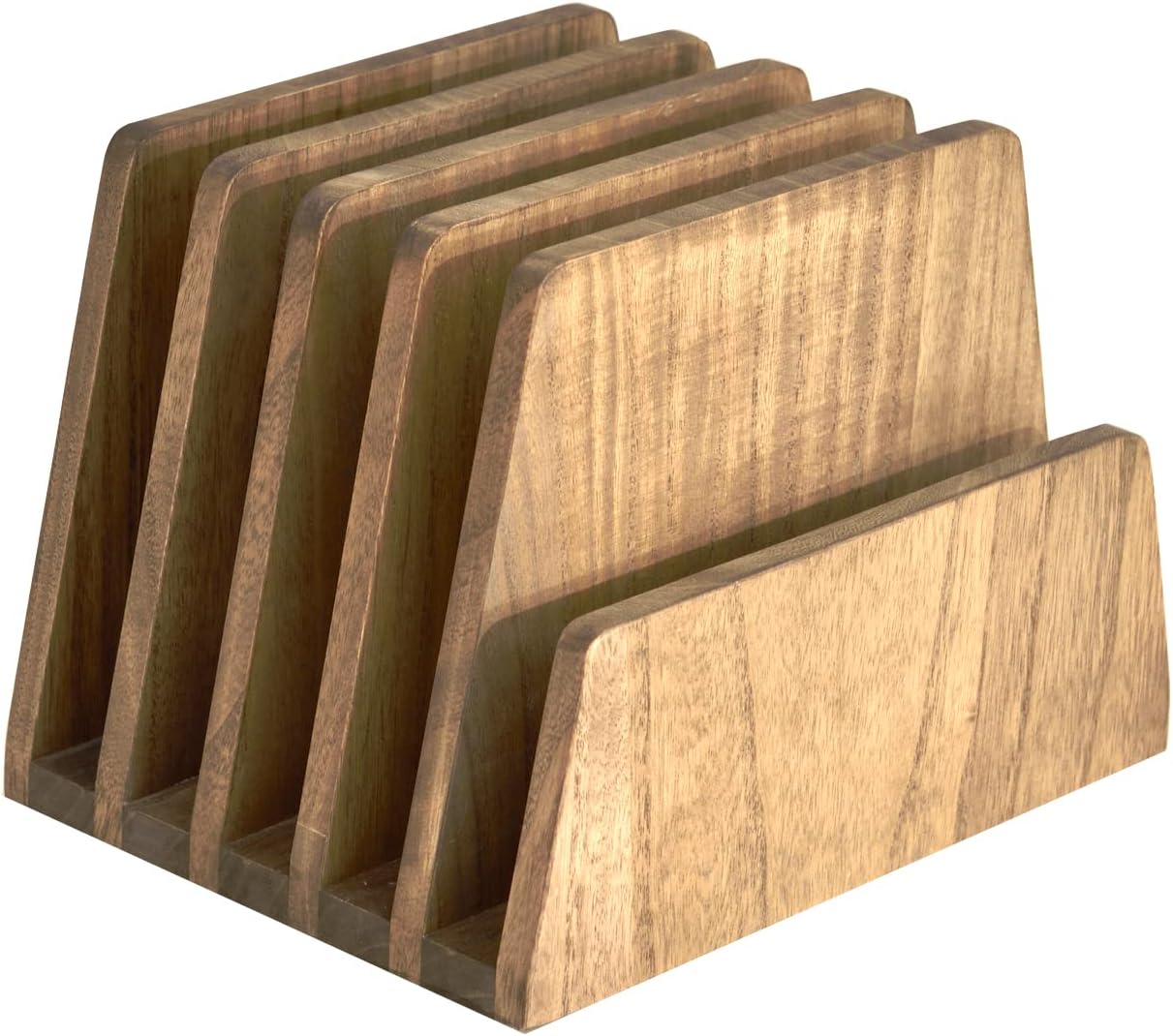
Wooden five-slot paper organizer
Vertical slots keep active papers visible instead of burying them in a pile.
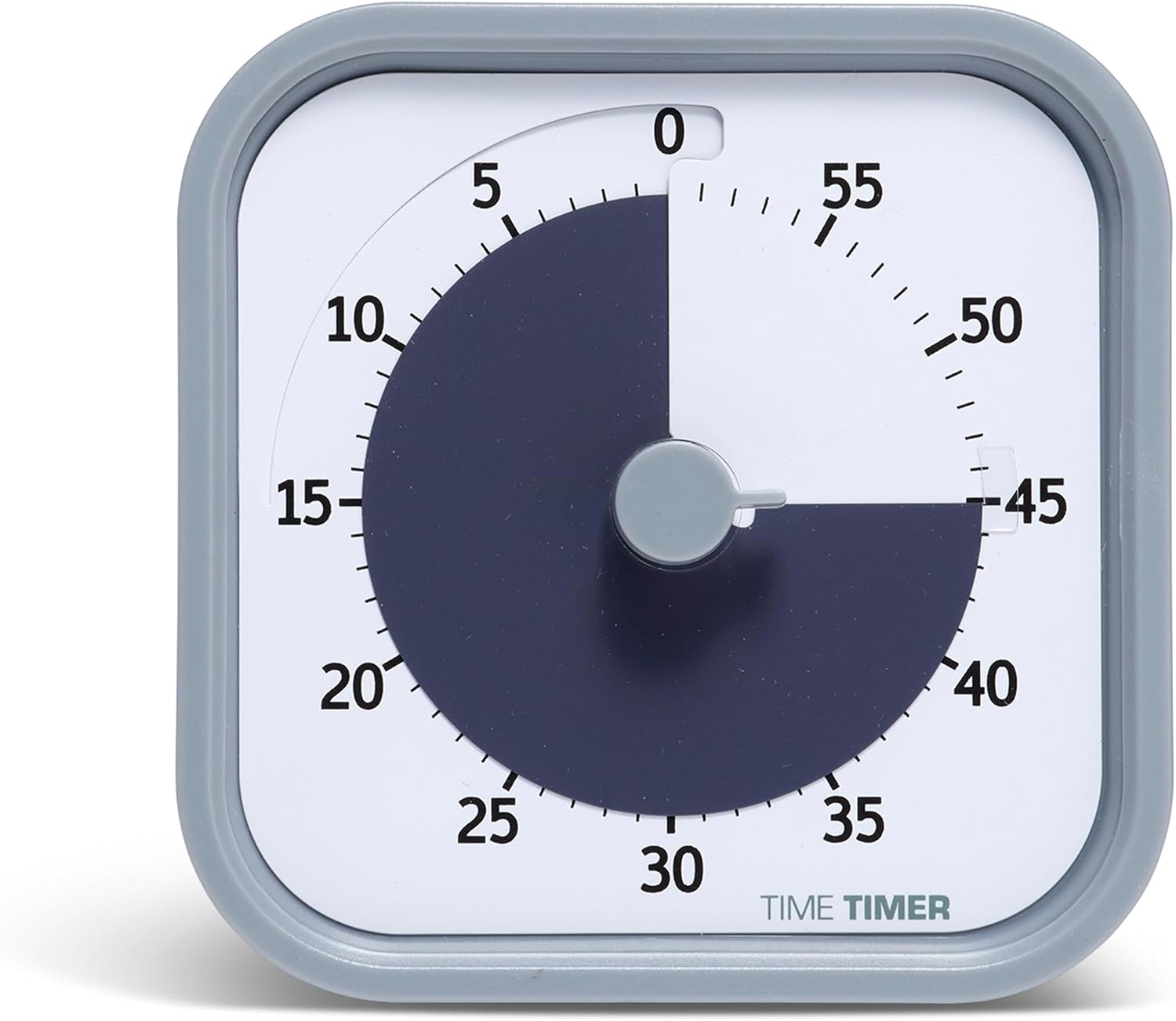
MOD Home Edition visual timer
See how much time is left while working or getting ready to leave.
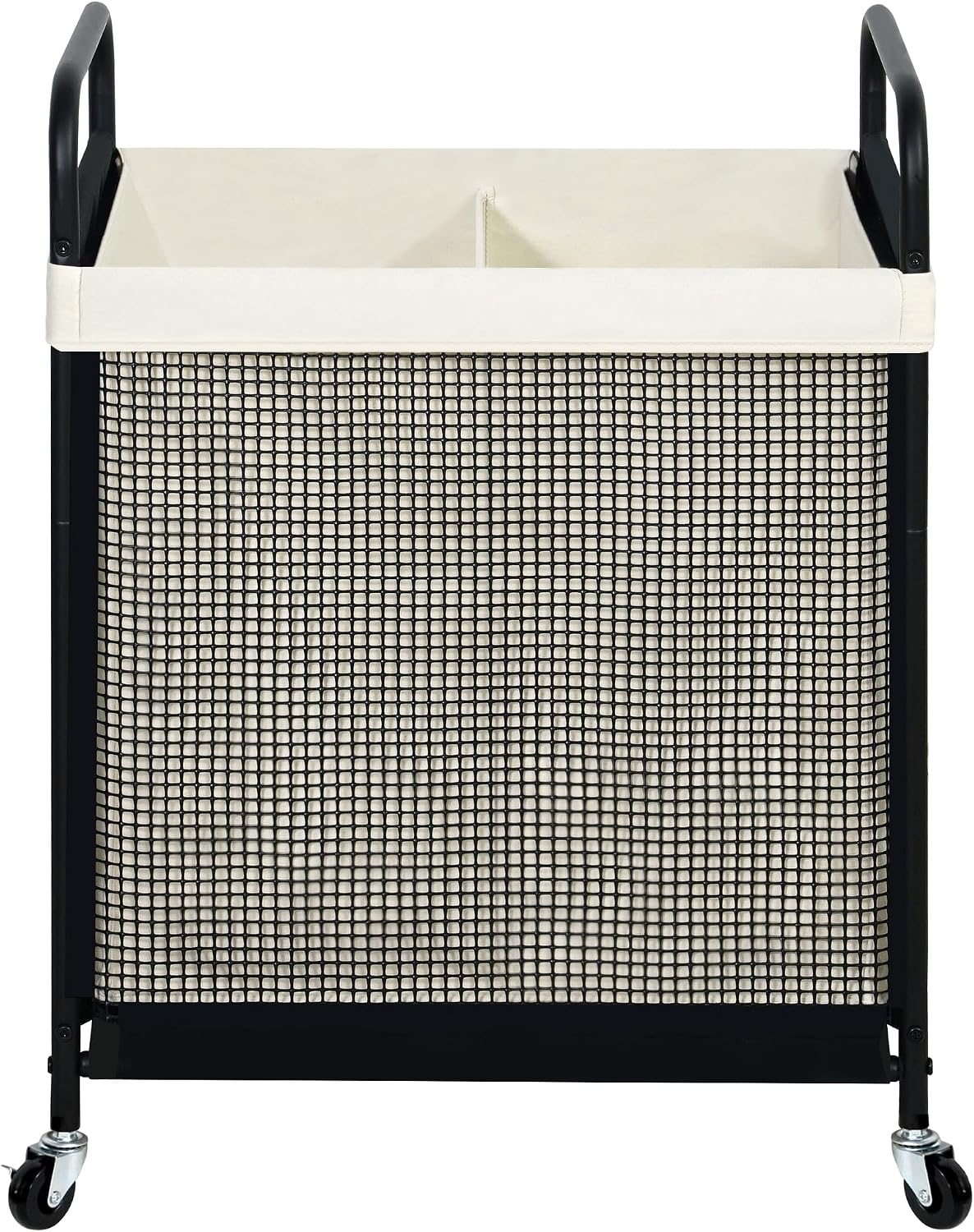
Two-section rolling laundry sorter
Separate lights and darks as you go, then roll the sorter to the washer.
Prices and availability can change. Check the size, selected model, and mounting requirements on the retailer page before ordering.
I have ADHD myself, and I notice the small things that make a routine harder: opening an extra door, walking across the room for something, sorting a pile before I can start. Those are the details I wanted to look at here.
The National Institute of Mental Health lists organization, time management, remembering daily tasks, losing things, and finishing projects among the areas some adults with ADHD may find difficult. The CDC also describes difficulties with staying organized.
Home organization is not treatment, and how much you want on display will depend on you. Treat these nine ideas as things to try. Keep what you use close by, make it easy to put back, and see whether that helps with the routine you keep getting stuck on.
1. Put hooks and a key tray by the door
Try: Kazai walnut wall-mounted hook rail with the CCINPPY ceramic cloud tray
Putting a coat in a hall closet means opening the door, finding a hanger, hanging the coat, and closing it all again. A hook cuts that down to one step. Add a small tray underneath for keys, headphones, or a wallet, and you can see what you need before leaving.
Give each person one or two hooks and keep the tray small enough that it cannot become a general dumping ground. The walnut rail fits with wood furniture, and you can fold the hooks away when they are empty.
2. Put a shelf where you use things
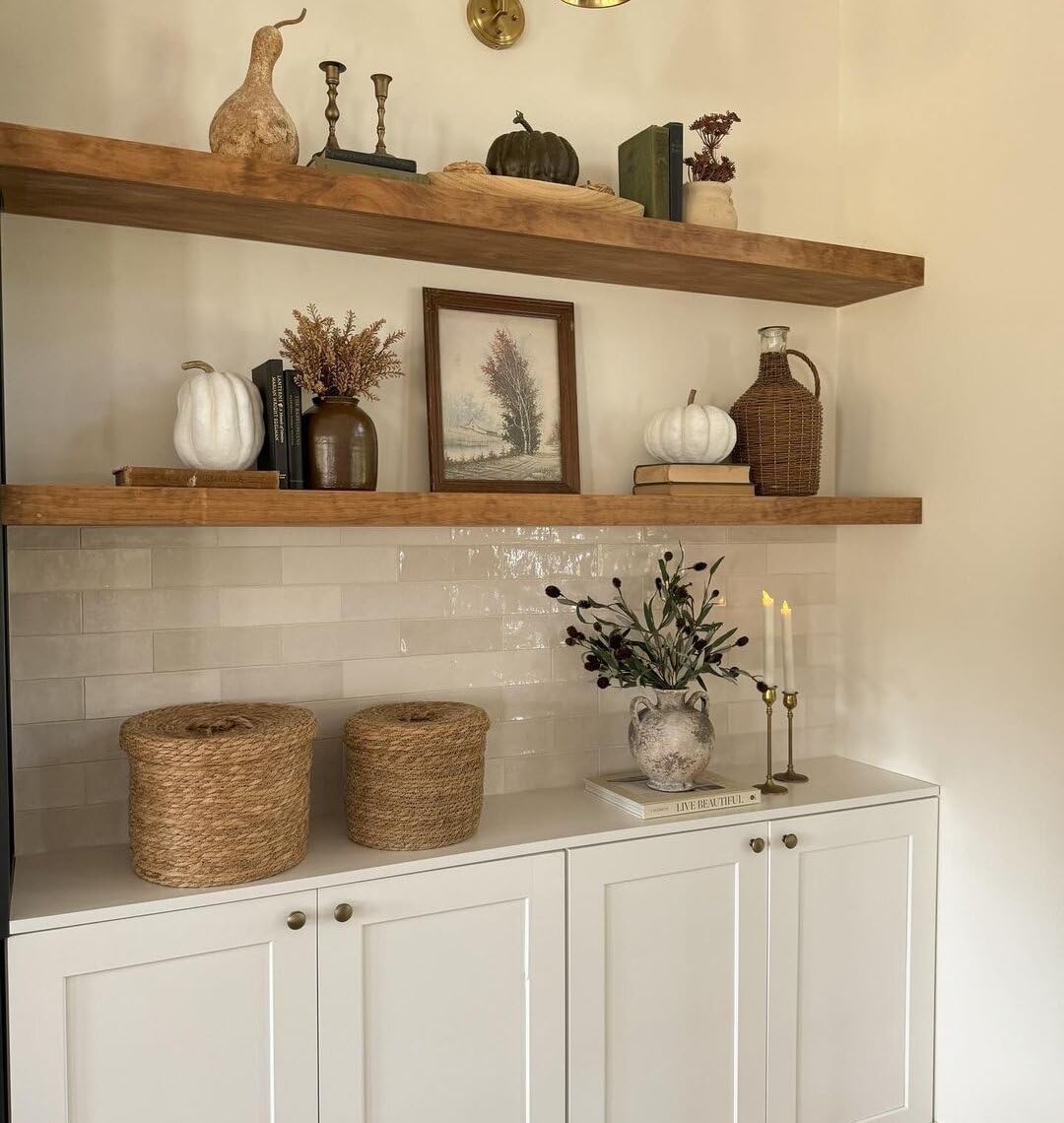
Try: ROGMARS walnut floating shelf
Something can be neatly put away and still be in the wrong place. Keep the dog leash beside the door and the book you read at night within reach of the bed. Having to fetch either from another room adds a step every time you use it.
A narrow floating shelf gives you somewhere to put those things without adding a whole piece of furniture. Give the shelf one job and leave room for it. If you have to rearrange the decorations to put your book down, it is already too full.
3. Use shallow, open baskets
Try: MiniArk cotton-rope storage baskets
With a deep, lidded box, it is easy to forget what you put inside. A shallow open basket lets you see the cables, toiletries, or pet supplies while keeping them together on the shelf.
Use broad categories such as “charging,” “outdoor,” or “daily care.” You do not need a separate basket for every kind of cable. Leave a little empty space in each basket so returning something never requires rearranging everything first.
4. Keep pantry food in view
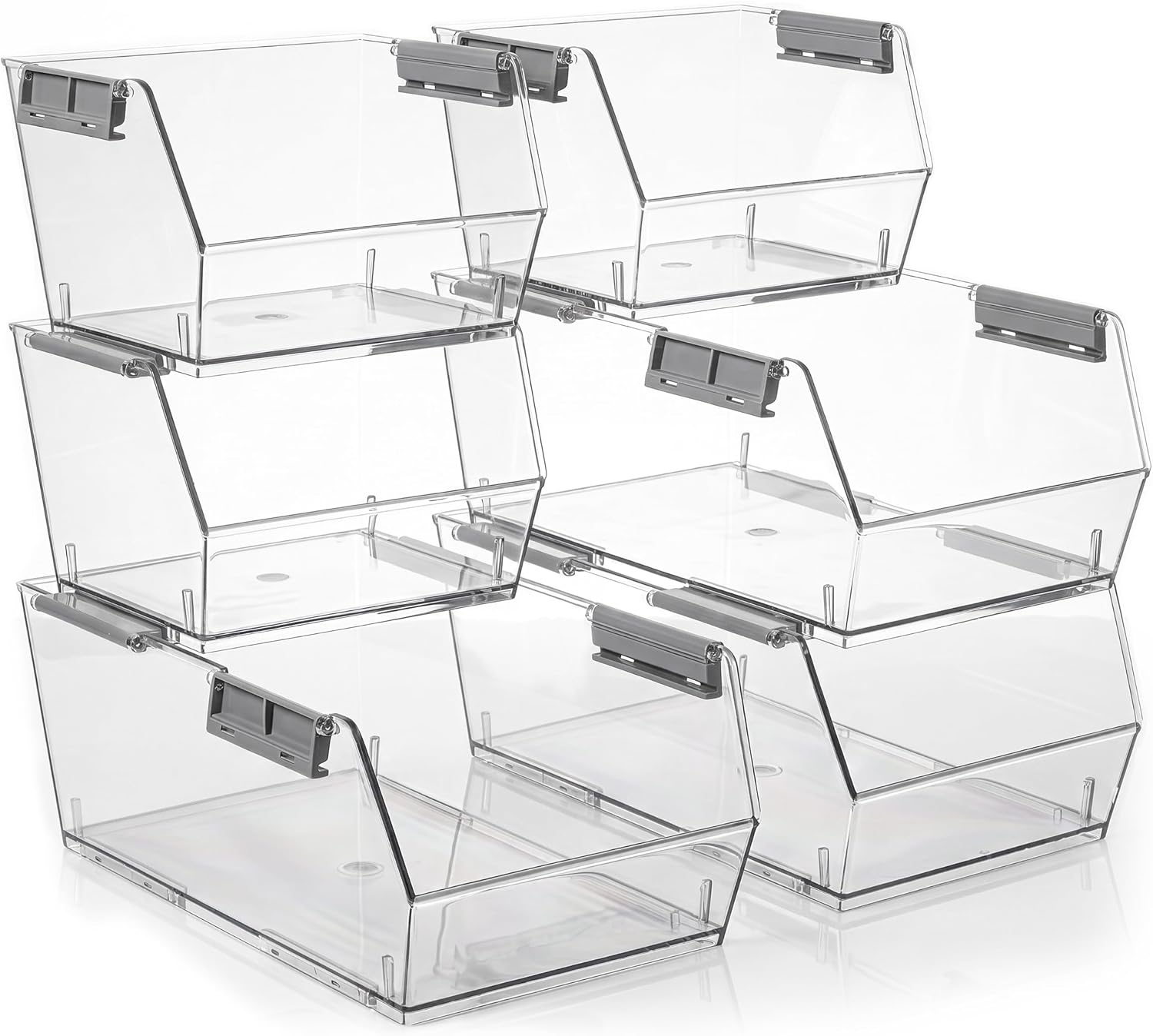
Try: HOMESTEAD set of six clear storage bins
Clear bins let you check snacks, breakfast supplies, and ingredients before shopping. You can see what needs using and what you already have, without opening several containers.
Keep the bins unstacked wherever possible so you can reach into each one directly. Put frequently used food between waist and eye level. The highest shelf can hold the things you only need occasionally.
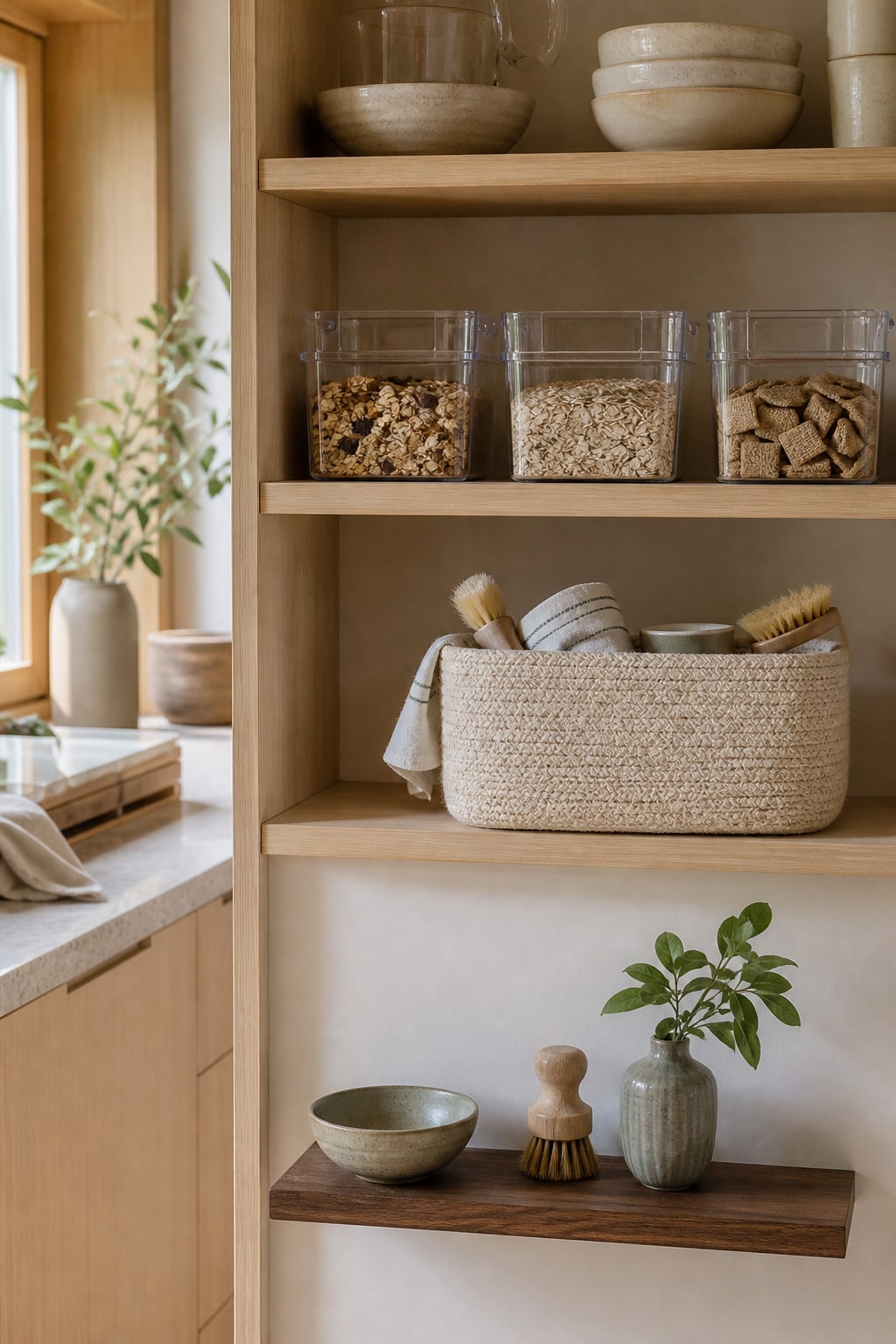
5. Keep active papers upright
Try: KIRIGEN wooden five-slot paper organizer
In a paper pile, you can only see the sheet on top. Upright slots keep the different groups of papers visible, so a letter that needs an answer is less likely to end up buried.
You do not need five filing categories just because the organizer has five slots. Start with three: action, waiting, and file. Leave the remaining spaces empty until you have a use for them. The wooden organizer can sit on a desk or console where you will see it.
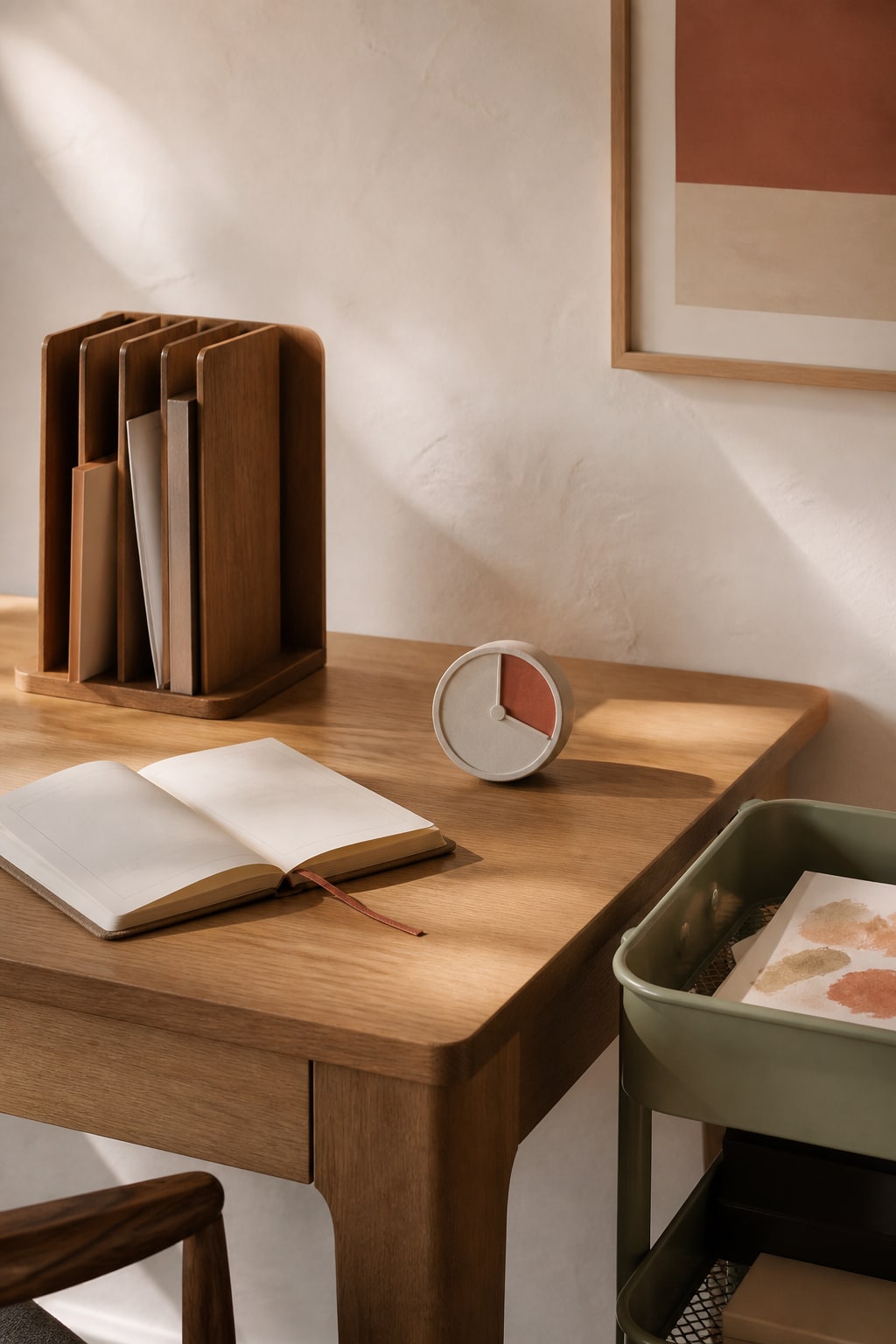
6. Keep a project together on a cart
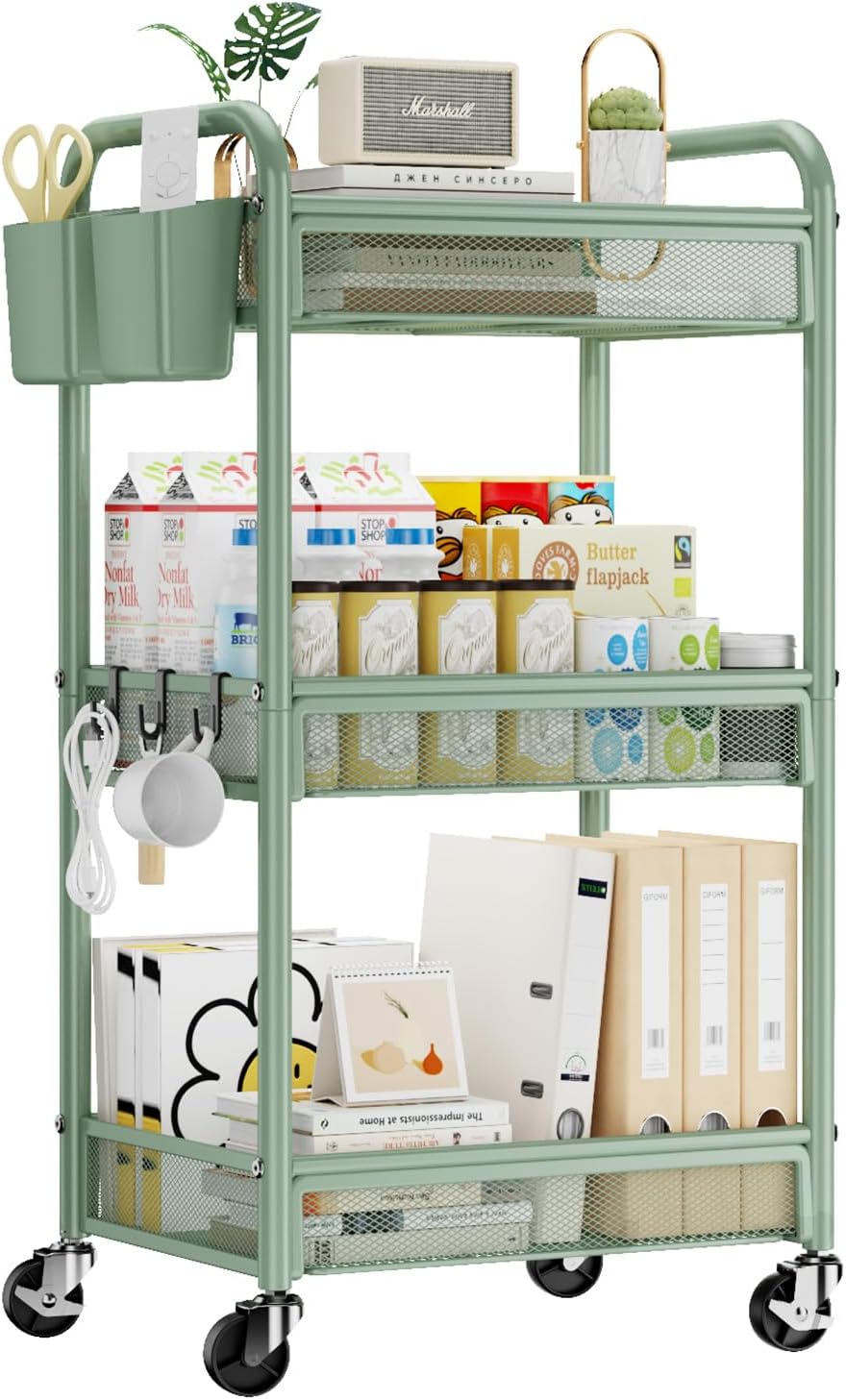
Try: YASONIC three-tier rolling cart
Unpacking supplies can put you off starting a repair or a hobby project, especially if you have to pack everything away again afterward. Keeping the materials together makes it easier to pick up where you left off.
A rolling cart holds an unfinished project without taking over the dining table. Bring it beside you to work, then roll it aside when you need the table back. Use each tier for a stage of the project or a type of material. Keep unrelated overflow off the cart so you can still find what you need. The green version adds some color if the rest of the room is neutral.
7. Charge devices in one place
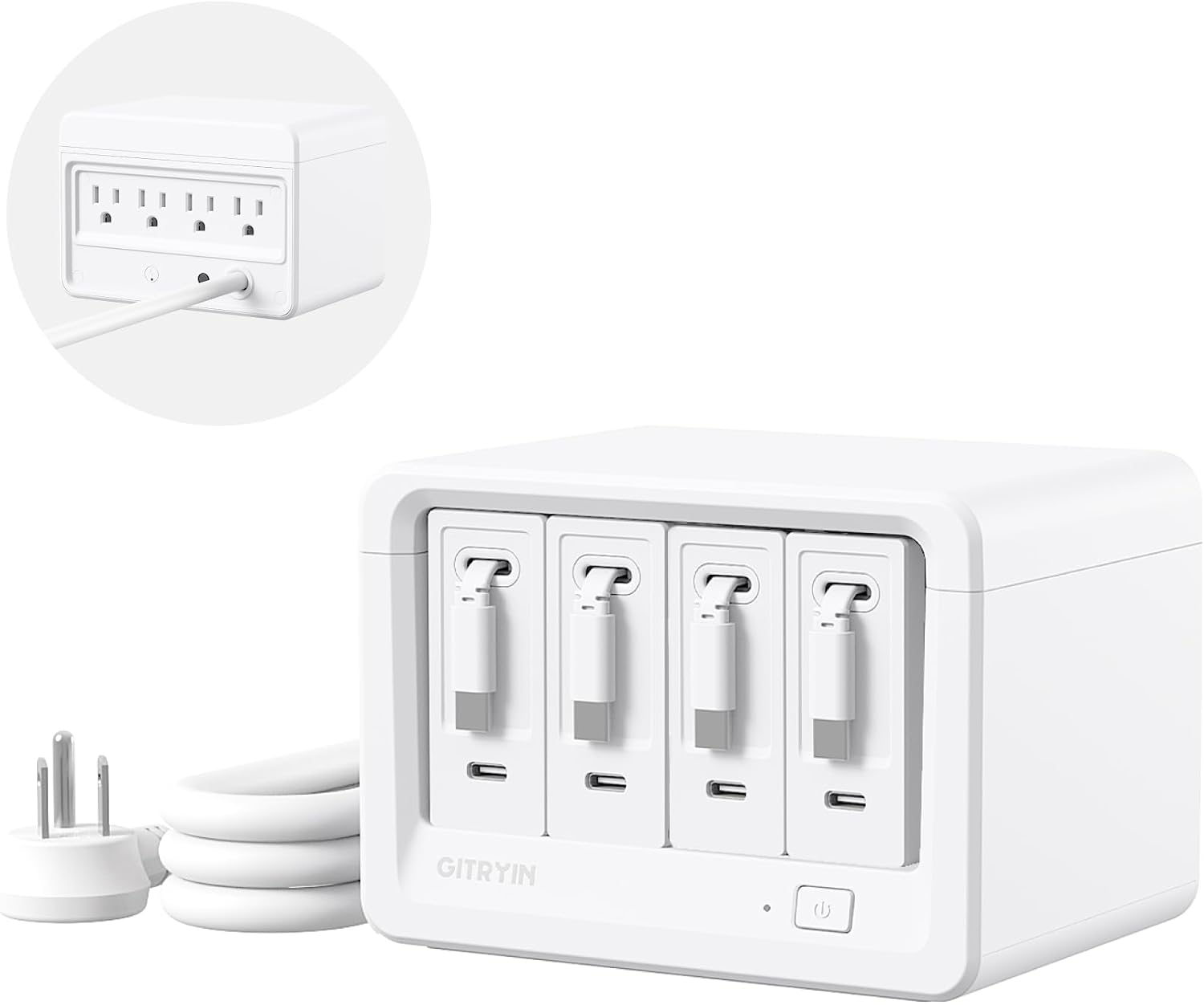
Try: Gitryin multi-device charging station
When you move chargers between rooms, you have to find both the device and its cable. A shared charging spot gives you one place to look for the things you use each day.
Put it where you already take your devices out of your pockets. The built-in connections keep loose cables together, though this is a more technical-looking object than the other picks. A spot on a shelf or sideboard keeps it accessible without making it the centerpiece of the room.
8. Try a visual timer for one task
Try: Time Timer MOD Home Edition
A visual timer shows how much of your half-hour is left as the colored area shrinks. You can glance at it during a work session or while getting ready to leave.
The Time Timer has a simple face that can stay on the desk. Try it for one task: ten minutes to reset the kitchen, twenty-five minutes of work, or fifteen minutes before leaving. There is no need to time the rest of your day.
9. Sort laundry as you take it off
Try: STO STO two-section rolling laundry sorter
If clothes keep landing on the hamper lid, try an open sorter. You can drop them straight in and separate lights and darks as you go.
Two sections let you sort those loads without keeping track of four different categories. This version has a removable washable liner and wheels, so you can take it to the washing machine without transferring everything to another basket.
Start with one routine
Start with one recurring problem: missing keys, buried papers, laundry waiting to be sorted, or a project you struggle to restart. Try removing one step from that routine. Keep the change if it makes things easier to use and put back. If it leaves you overwhelmed by everything on display, adjust how much you keep out.
Walnut wall-mounted hook rail
Foldaway hooks keep daily coats and bags beside the door.
View at Amazon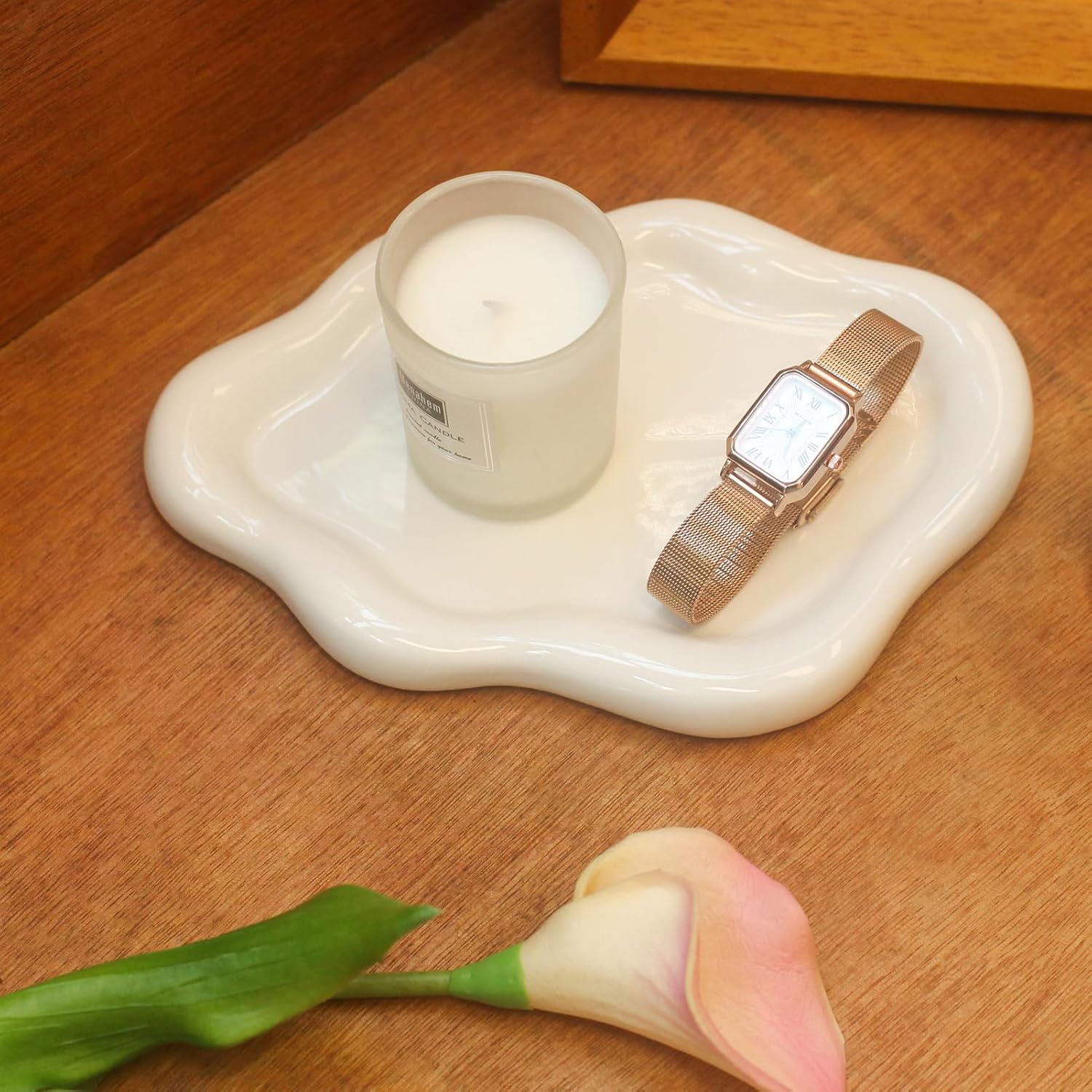
Ceramic cloud tray
A small tray keeps keys, headphones or a wallet in view.
View at Amazon Walnut floating shelf
A narrow shelf holds the things you use beside the door or bed.
View at Amazon Cotton-rope storage baskets
Open baskets keep cables, toiletries or pet supplies together and in view.
View at Amazon Set of six clear storage bins
Clear, open pantry storage makes frequently used food easier to scan and replace.
View at Amazon Wooden five-slot paper organizer
Vertical slots keep active papers visible instead of burying them in a pile.
View at Amazon Three-tier rolling cart
A mobile home for the materials of one unfinished project.
View at Amazon Multi-device charging station
One predictable charging home reduces loose cables and migrating devices.
View at Amazon MOD Home Edition visual timer
See how much time is left while working or getting ready to leave.
View at Amazon Two-section rolling laundry sorter
Separate lights and darks as you go, then roll the sorter to the washer.
View at Amazon