This article contains affiliate links. If you buy through one, Hyggero earns a small commission at no cost to you. It never changes what we recommend.
A bedroom can contain every essential piece—a bed, two nightstands, somewhere to put clothes—and still feel strangely temporary. Usually, the problem is not that you need more furniture. It is that the room has no hierarchy: the bed looks flat, the floor and windows feel disconnected, and the smaller details have not been given a clear role.
The most useful bedroom ideas are therefore not about adding decoration everywhere. They are about fixing scale, creating a few soft layers, and giving the eye somewhere to land. Start with the bed, then work outward. These nine changes make a bedroom feel considered without making it busy.
1. The bed has only one visual layer
When a bed is made with one smooth duvet and two sleeping pillows, it often reads as practical rather than finished. The first fix is texture at the largest surface in the room.
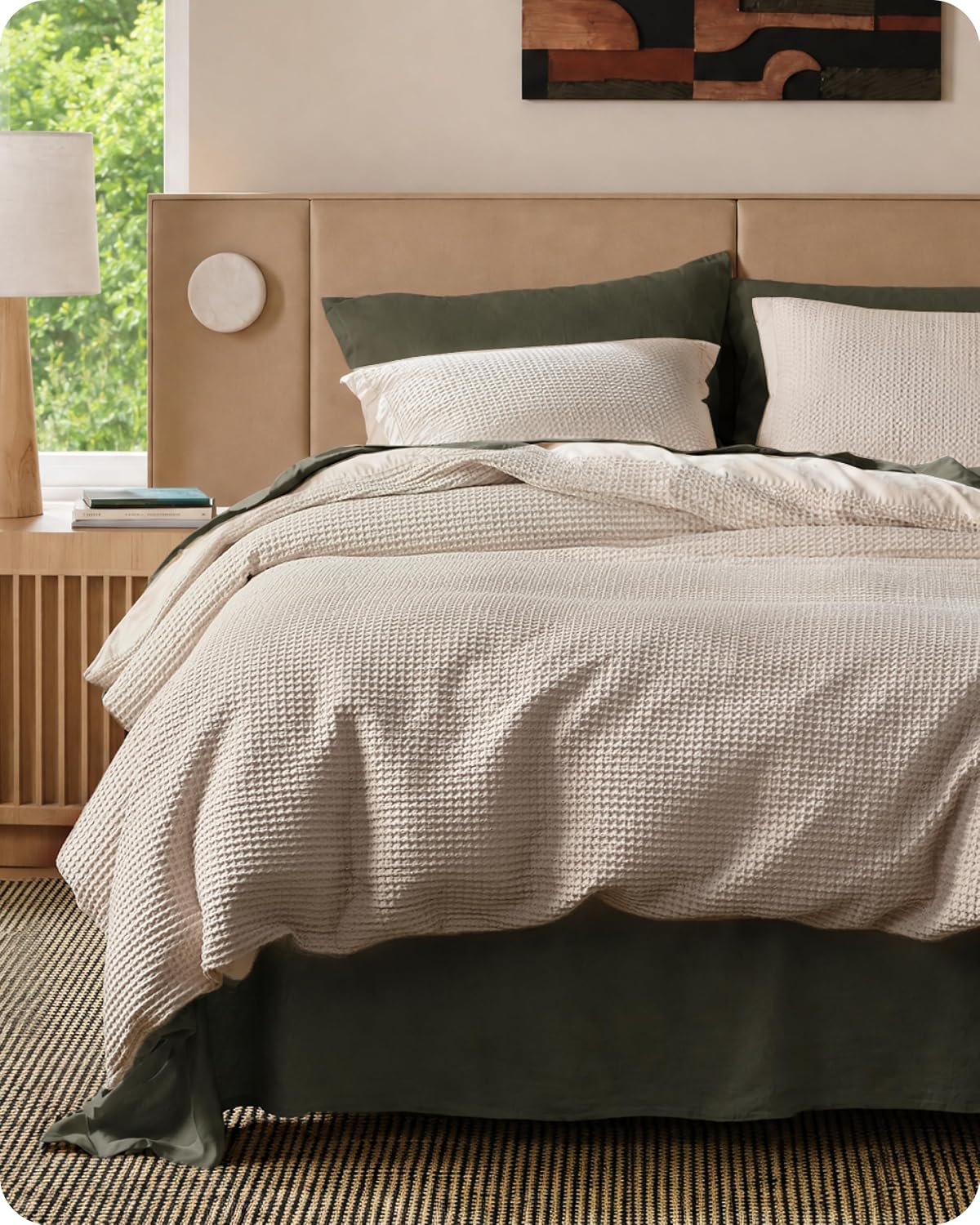
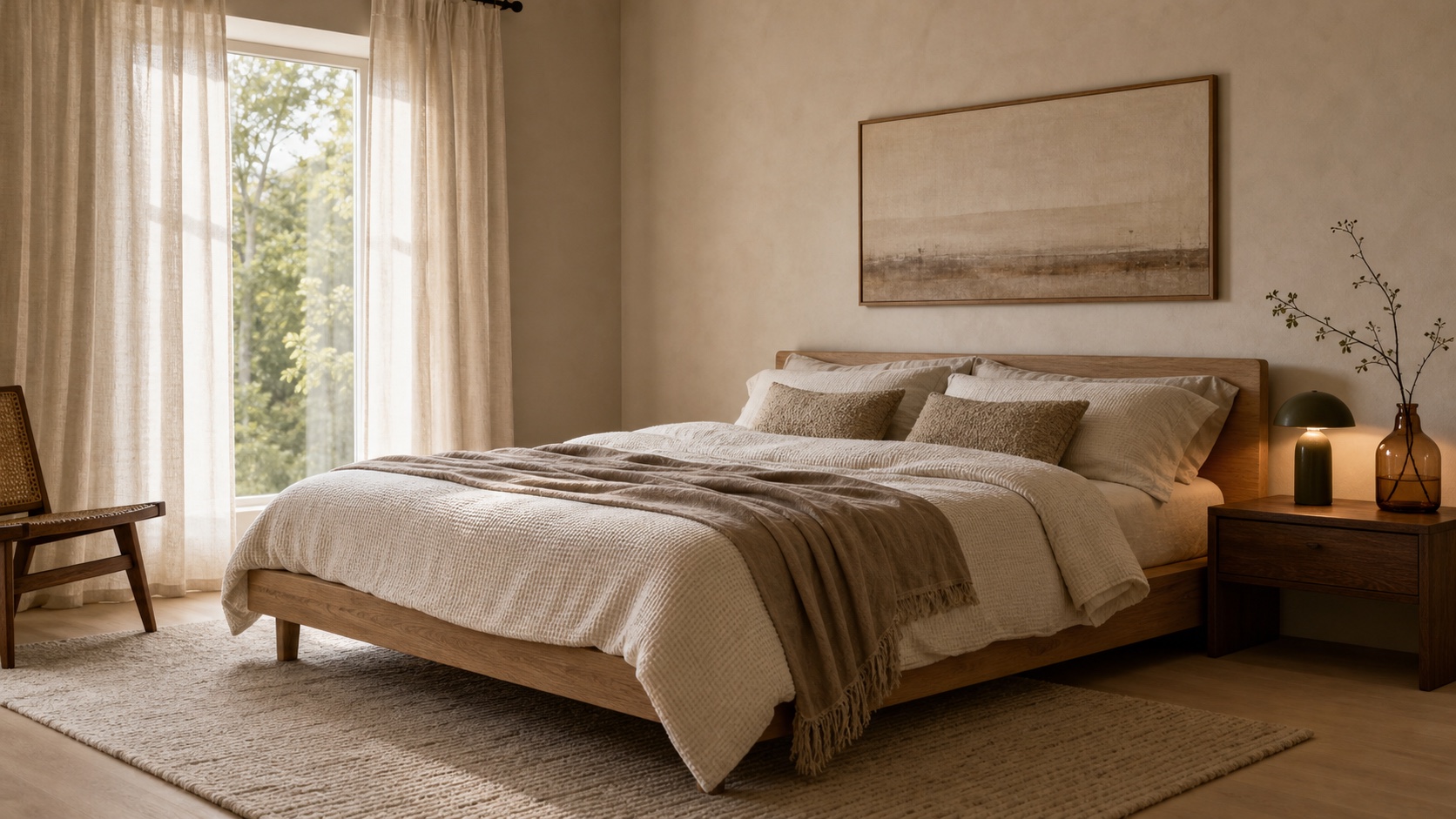
The Bedsure PureWoven cotton waffle duvet cover set is my first pick because the small-scale waffle weave adds depth while the linen color keeps the bed quiet. It gives you texture before you have added a single decorative cushion.
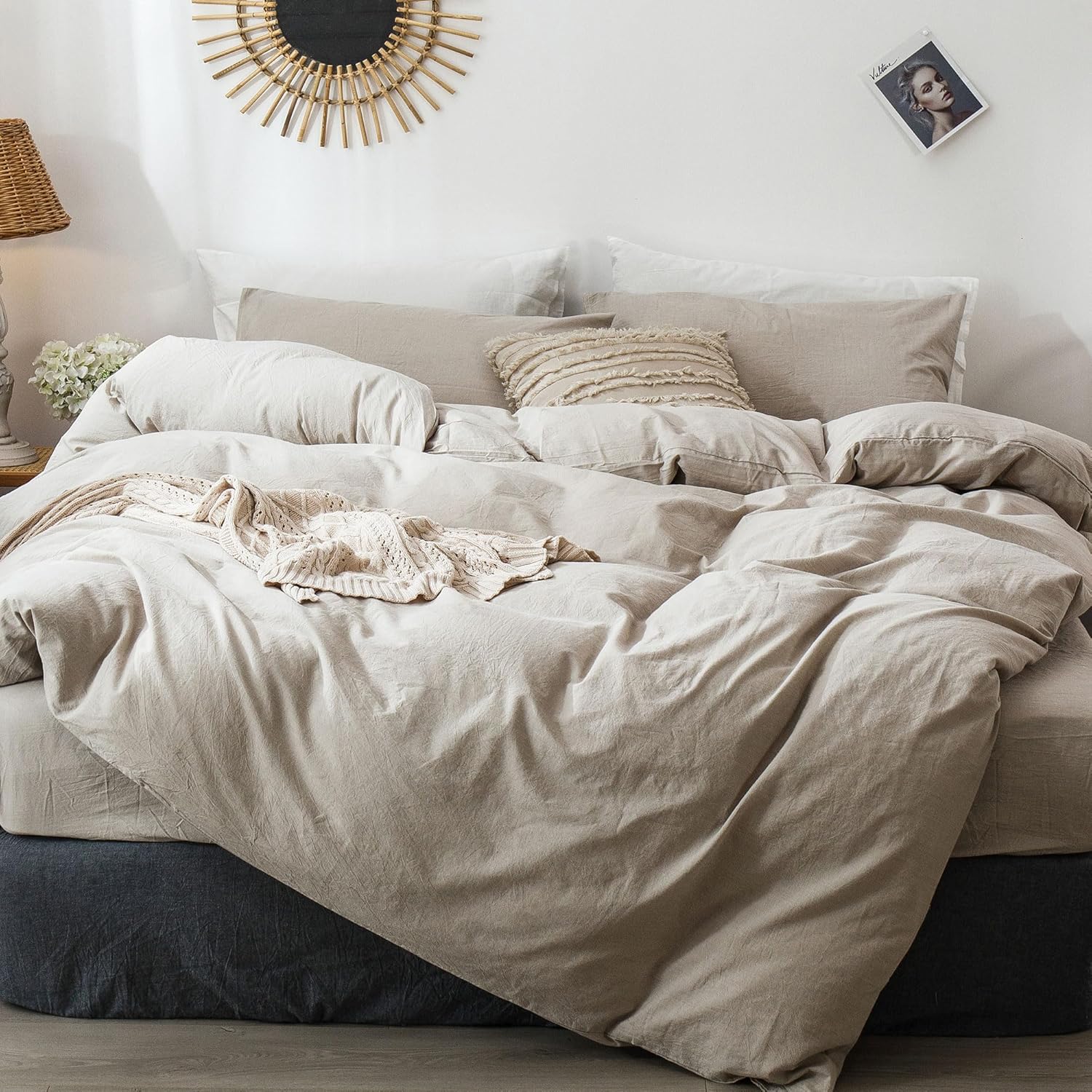
If you prefer a softer, less structured surface, the MooMee washed-cotton duvet cover set is the better alternative. Its relaxed, linen-like finish suits a bedroom that should feel effortless rather than hotel-crisp.
2. Nothing anchors the foot of the bed
A bed can still look visually thin even after the duvet is right. A throw folded across the lower third creates a clear end point and introduces a second tone without requiring a full collection of cushions.
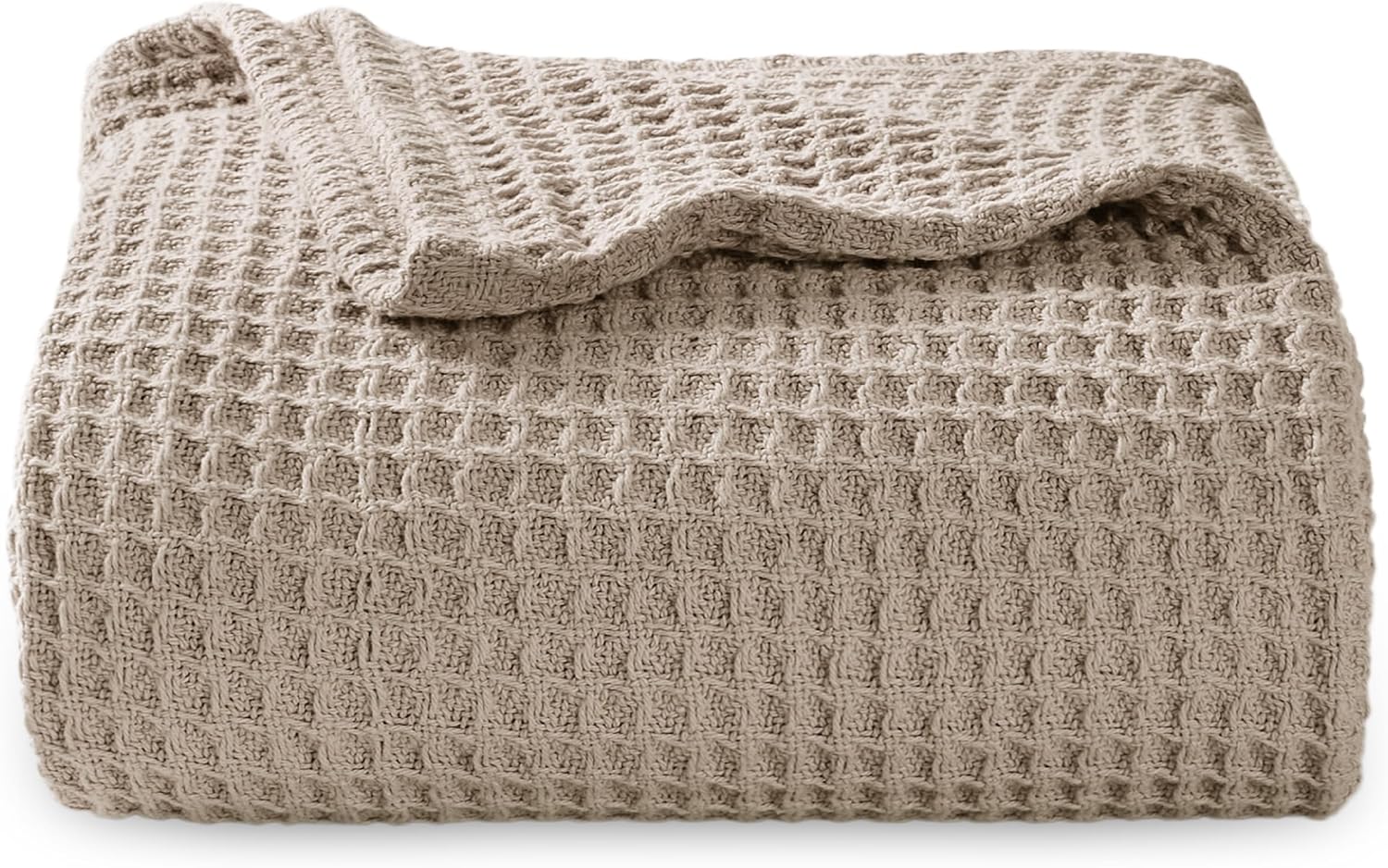
The Bedsure cotton waffle throw in taupe works because it relates to the duvet without matching it exactly. Lay it slightly off-center rather than stretching it perfectly from edge to edge. That small asymmetry makes the room feel lived in.
3. The rug is missing—or it is floating beside the bed
One of the most common reasons a bedroom feels unfinished is an undersized rug. A small rug placed beside the bed may be soft underfoot, but visually it becomes another isolated object.
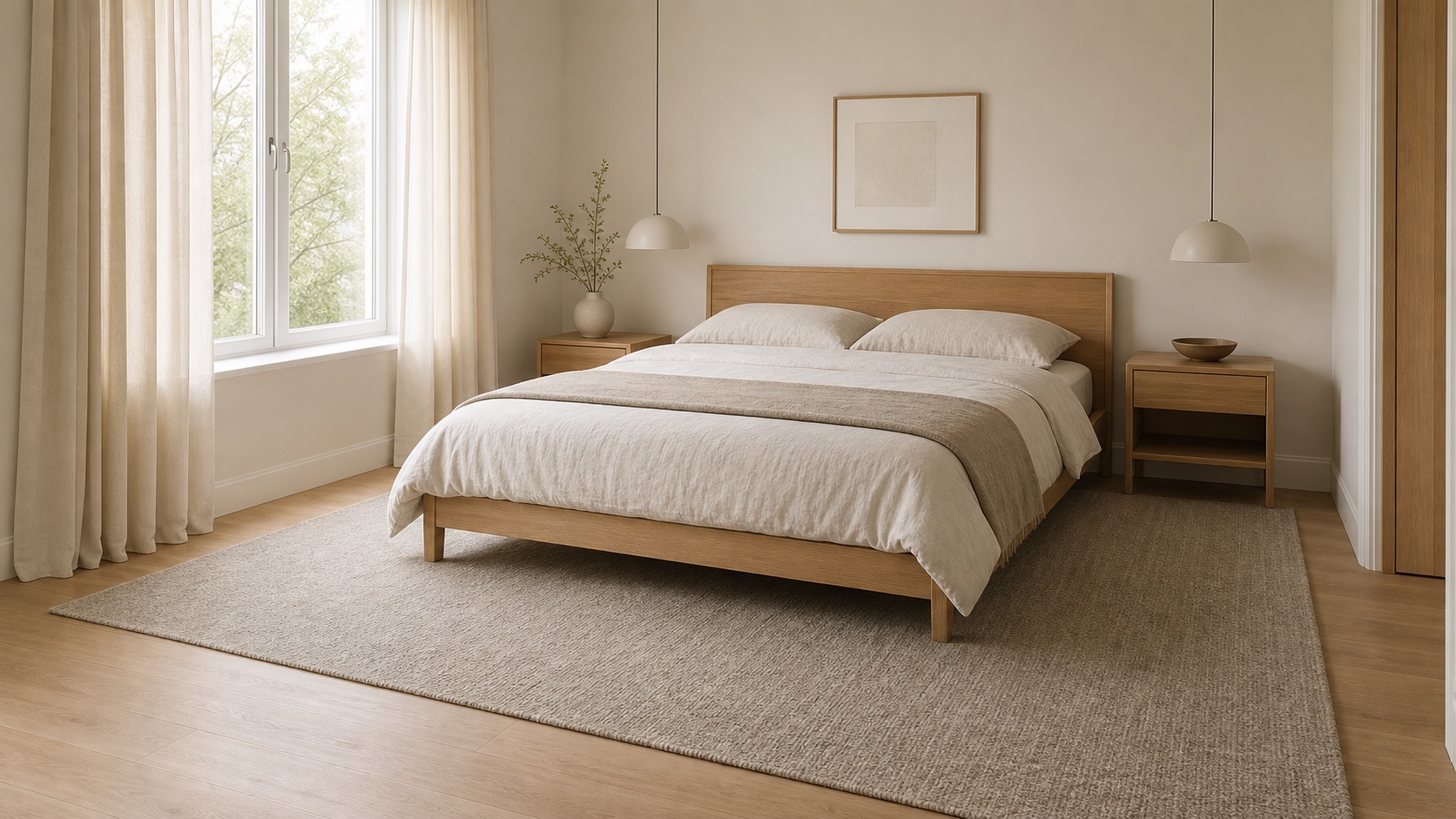
For a queen bed, start by looking at rugs around 8 by 10 feet; for a king, 9 by 12 feet is often the more convincing scale. The exact size depends on the room, but the principle is consistent: the rug should extend beyond both sides of the bed and remain visible at the foot. If the full size is impossible, use runners on both sides rather than one small, stranded rectangle.
There is no affiliate pick in this section yet. Scale and material matter more than filling the slot with the wrong rug.
4. The windows feel like an architectural afterthought
Bare windows make a bedroom feel harder and more temporary. Curtains soften the wall, improve the room’s proportions, and help connect the bed to the architecture around it.

The natural ivory linen-look curtain panels add softness without introducing a strong new color. Hang the rod higher and wider than the window frame so the panels fall in long vertical lines and do not cover the glass when open. If you need darkness, pair them with a discreet blackout blind rather than replacing the texture with heavy, shiny drapes.
5. The wall behind the bed has no visual anchor
The bed is usually the largest object in the room, so an empty wall above it can make the entire composition feel bottom-heavy. The solution is not a scatter of tiny frames. Choose one piece with enough scale to relate to the width of the bed.
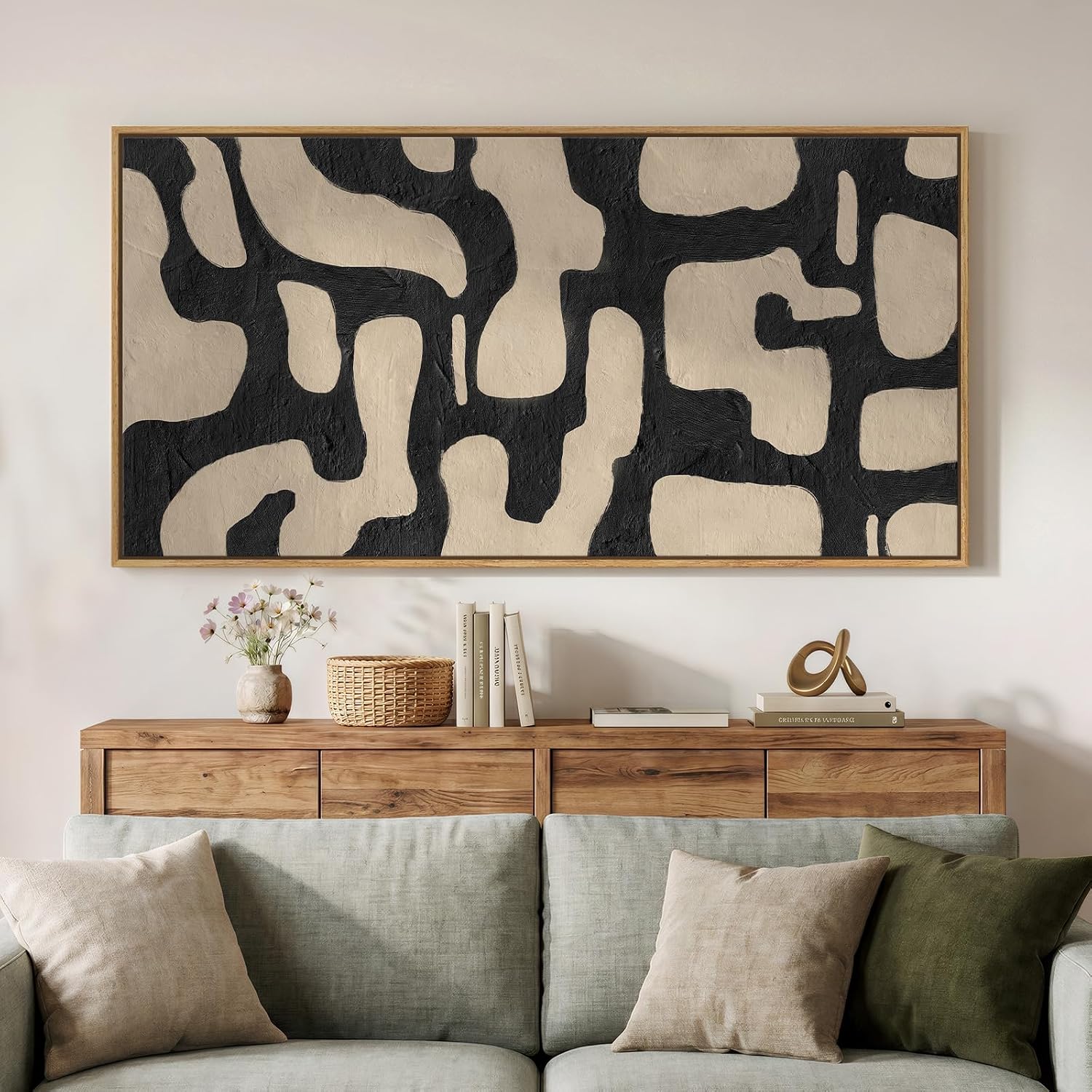
The 30-by-60-inch framed neutral abstract canvas is my Amazon pick. Its horizontal format is useful above a bed because it creates width rather than adding another narrow vertical object.
This is my Amazon pick, but my current favorite artist from Scandinavia is Jacob Lund Art—if you want to check it out. An original artwork or art print with more personality can make the room feel collected rather than assembled from a checklist. This is an editorial recommendation, not an Amazon affiliate link.
Whichever route you choose, aim for artwork that is roughly two-thirds the width of the bed or headboard. The piece should feel connected to the bed, not suspended close to the ceiling.
6. Every surface has the same texture
Warm minimalism depends on contrast at close range. If the duvet, sheets, wall, and cushions are all smooth cotton in similar beige tones, the room may be calm but still look flat.

The MIULEE beige boucle cushion covers add a nubbly surface without adding a loud pattern. Two 20-inch cushions are enough. Keep the arrangement low so the bed remains inviting rather than becoming something you have to dismantle every night.
7. The bedside area is either empty or chaotic
A bedroom rarely feels complete when the bedside area has no visual weight. But an open table piled with cables, medication, books, and chargers creates the opposite problem.
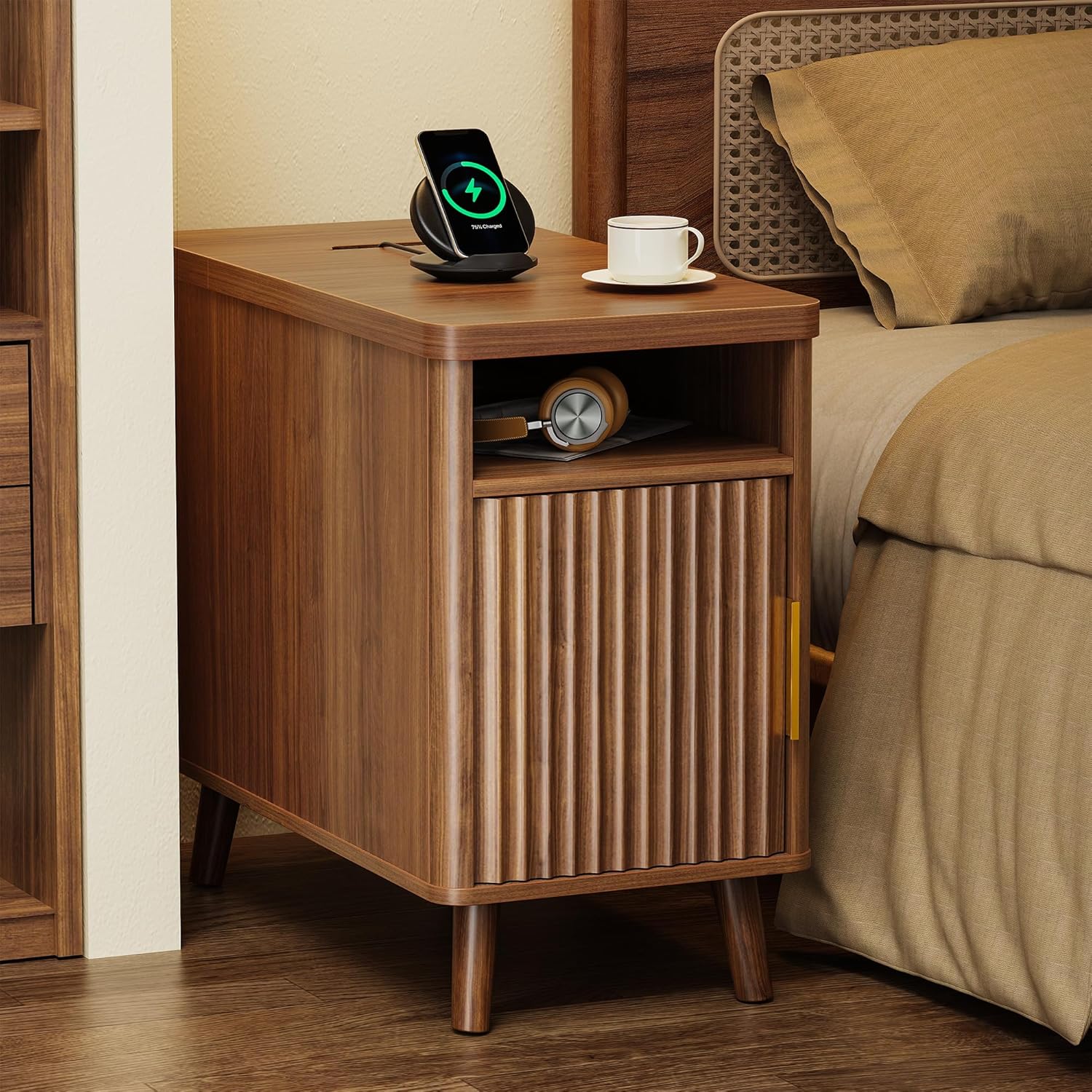
The Huuger narrow fluted nightstand gives the bed a proper edge while keeping the footprint narrow. The closed cabinet is more important than the charging ports: it lets the things you use remain nearby without turning them into decor. Keep only the lamp and one deliberate object on top.
8. The room has light, but no glow
Lighting is not the main subject of this bedroom, but one warm pool of light can make all the textile layers feel richer after dark. The important distinction is between illuminating the room and making the bedside feel calm.
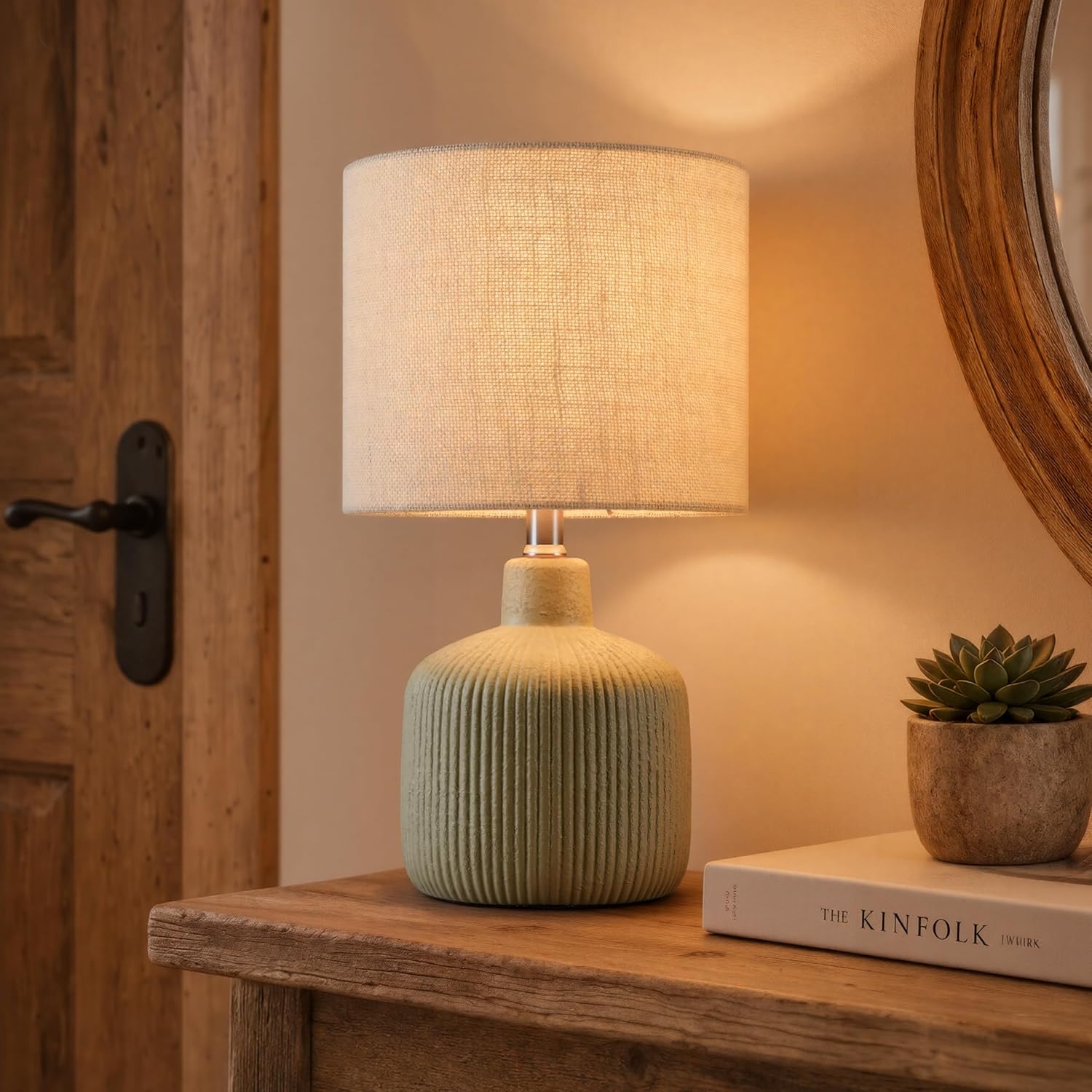
The KAWOTI ceramic table lamp in olive green introduces one muted color and filters the light through a beige linen shade. Use a warm bulb and keep the wattage modest. This should be the light you turn on before bed, not the brightest light in the room.
9. The room needs one final object—not five
The last layer is where bedrooms often become cluttered. A tray, candle, vase, book stack, bowl, and framed photo can each be lovely, but together they make a small bedside surface feel crowded.
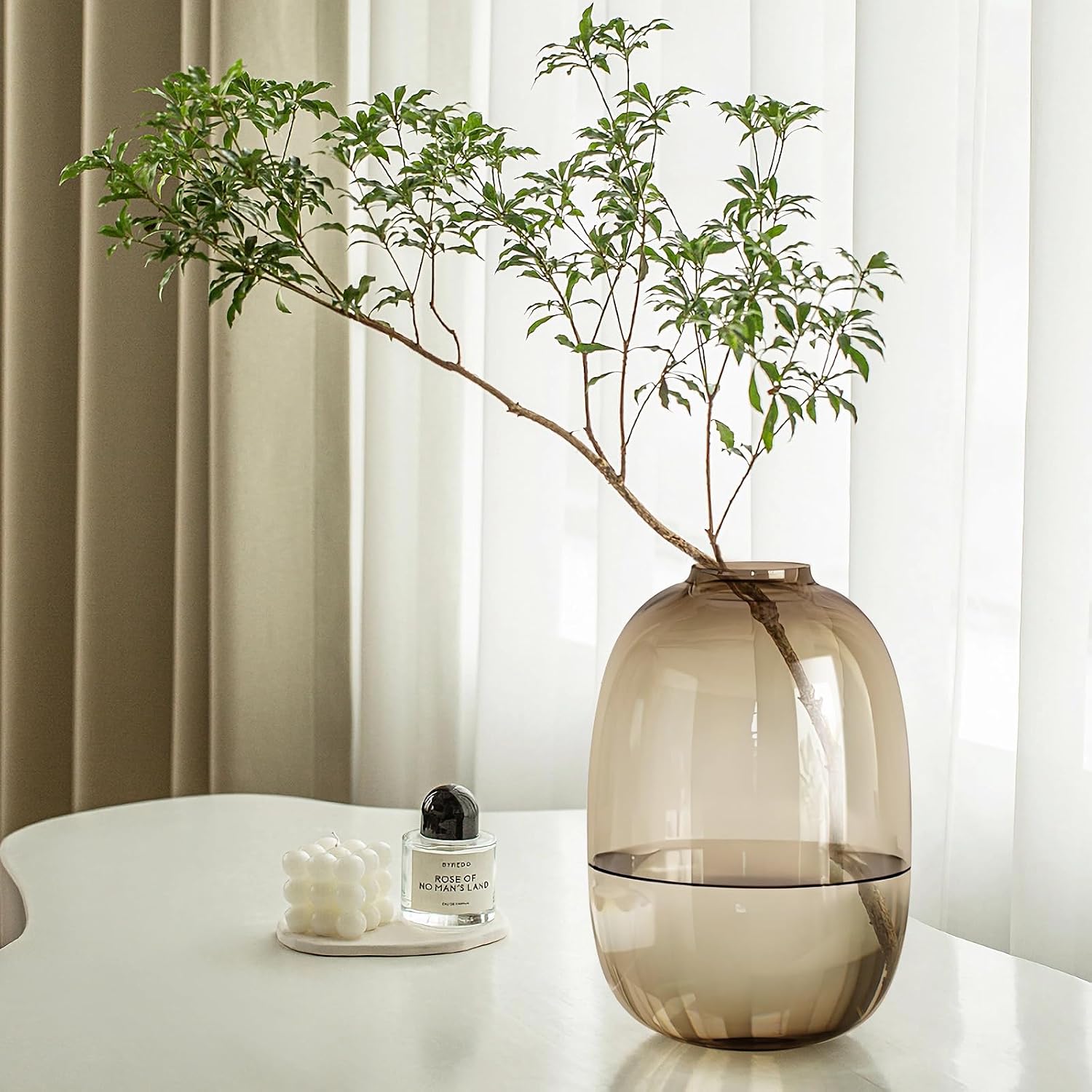
The GeLive brown glass vase is restrained enough to work as that single object. The brown glass adds warmth without becoming visually heavy. Use one branch or a few simple stems and leave space around it.
How to make the bedroom cozy without adding clutter
A cozy bedroom does not need more objects; it needs fewer materials repeated with purpose. Let the waffle texture appear in the duvet and throw, repeat the walnut tone at the bedside, and carry one muted shade—from the taupe blanket or olive lamp—through one other small detail.
Then stop. Empty space around the artwork, on the nightstand, and at the edge of the rug is part of the composition. The room feels finished when every visible object appears to have been chosen, not when every surface has been filled.
It also helps to edit what is already visible. Put spare cables, hand cream, tissues, and the current pile of receipts inside the nightstand. Keep one book out if you are actually reading it. A room becomes calmer when practical things have an assigned home, not when everyday life has been removed from it.
The order matters, too. Fix the bed, rug, curtains, and wall before buying accessories. Those four moves establish the room’s scale. Cushions, lighting, and a vase should finish the structure that is already there—not compensate for one that is missing.
Bedsure PureWoven cotton waffle duvet cover set
The small-scale waffle weave adds depth while the linen color keeps the bed quiet.
View at Amazon MooMee washed-cotton duvet cover set
Its relaxed, linen-like finish suits a bedroom that should feel effortless rather than hotel-crisp.
View at Amazon Bedsure cotton waffle throw in taupe
It relates to the duvet without matching it exactly and gives the foot of the bed a clear visual anchor.
View at Amazon Natural ivory linen-look curtain panels
They add softness and long vertical lines without introducing a strong new color.
View at Amazon Cuspin 30-by-60-inch framed neutral abstract canvas
Its horizontal format creates enough width to visually anchor the wall above a bed.
View at Amazon MIULEE beige boucle cushion covers
The nubbly surface adds close-range contrast without introducing a loud pattern.
View at Amazon Huuger narrow fluted nightstand
A narrow footprint and closed cabinet give the bed a proper edge while keeping everyday clutter out of sight.
View at Amazon KAWOTI ceramic table lamp in olive green
The muted ceramic base introduces one quiet color while the beige linen shade softens the bedside light.
View at Amazon GeLive brown glass vase
The warm brown glass is restrained enough to work as the bedside's single final object.
View at Amazon