This article contains affiliate links. If you buy through one, Hyggero earns a small commission at no cost to you. It never changes what we recommend.
A coffee corner should make the first part of the morning easier. Too often, it does the opposite: the machine lives at one end of the counter, mugs fill another cabinet, and bags of beans gather beside a collection of tools used once a month.
The solution is not a bigger coffee bar. It is a smaller, more deliberate one. The best coffee station ideas create a clear boundary, keep the daily sequence within reach and remove everything that does not support it. Start with the space you already have, then use these eight decisions to make it feel calm.
1. Give the coffee bar one clear boundary
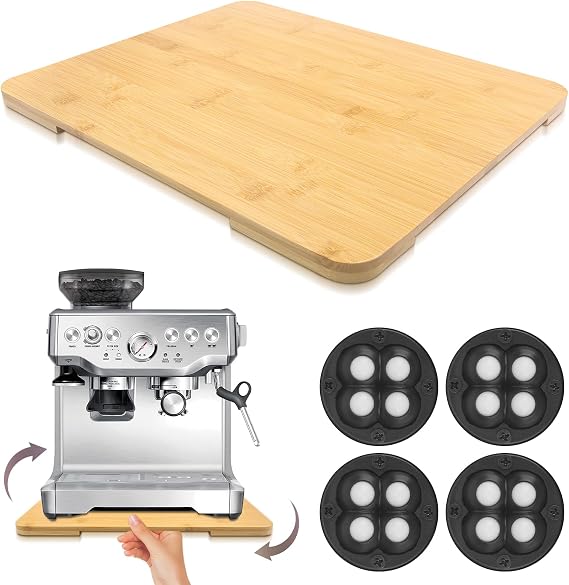
The useful base: Sliding bamboo appliance tray — it defines the machine zone and lets the appliance move forward from beneath upper cabinets.
Begin by deciding exactly where the coffee corner ends. A tray or appliance base gives a loose group of objects a visible footprint: if something does not fit on or immediately beside it, it belongs elsewhere.
This bamboo slider measures 13 by 15.7 inches, so it suits a medium counter better than a very narrow one. Its real advantage is movement. A machine can sit farther back when it is idle, then roll forward for filling, brewing and cleaning. That prevents the awkward dead space that often develops beneath cabinets.
Do not use the new boundary as permission to fill every inch. The base should hold the machine, not the machine plus every accessory it came with.
2. Build upward instead of spreading sideways
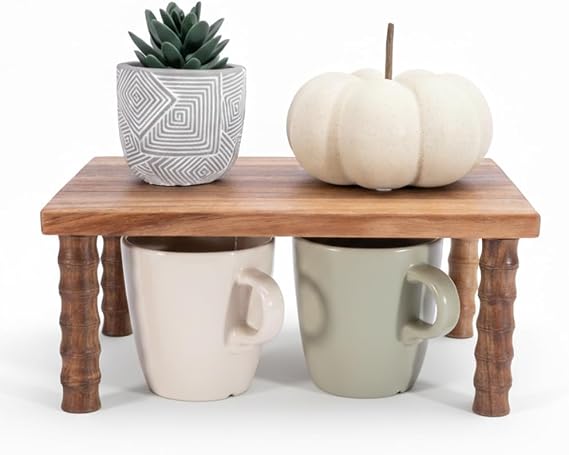
The vertical fix: Telinego acacia countertop riser — a small wooden shelf that creates a second level without widening the station.
When the counter is shallow, width is the resource to protect. A low riser can hold a canister or two mugs above the smaller pieces used below it. This is more useful than a tall shelving unit with several half-empty tiers, and visually quieter than a metal organizer designed to hold everything at once.
Keep the arrangement practical: place the object you lift most often on top, and reserve the lower space for something that slides out easily. Leave enough open surface to put down a cup. A coffee station that occupies every available centimeter may look efficient in a photograph, but it becomes irritating the moment you try to use it.
3. Keep only the mugs you actually reach for
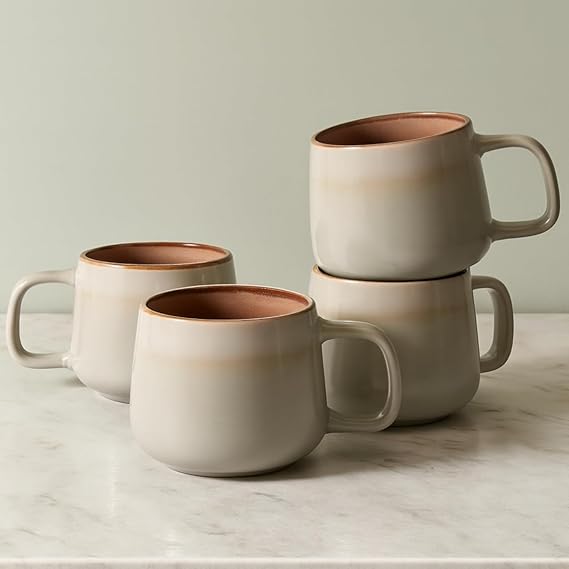
The calm set: Ava Nord stoneware mugs — four matching 12-ounce mugs in a muted Sage Ash finish.
A crowded mug tree can make a small coffee corner feel like a souvenir display. Instead, keep out two to four cups that suit the drinks you make most often. Repetition creates calm: matching shapes or a tightly edited palette reads as one group rather than several competing objects.
The Ava Nord set has enough variation in its soft green-gray finish to feel warm, while the shared shape keeps the station coherent. Because the mugs are microwave- and dishwasher-safe, they also earn their visible place through everyday usefulness.
Store novelty mugs and oversized cups with the rest of the kitchenware. A coffee bar is not required to display the whole collection.
4. Use the underside of a cabinet for mug storage
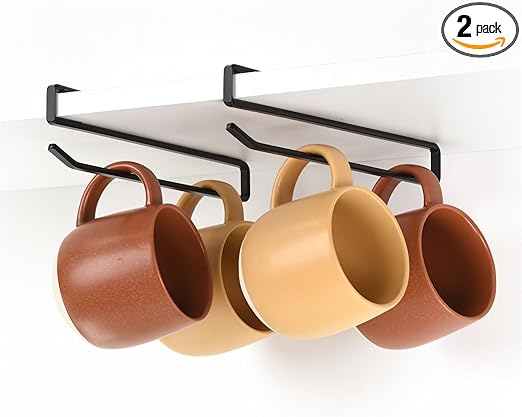
The counter-clearing alternative: xympo clip-on mug hangers — a screwless pair of rails that uses the empty space beneath a shelf.
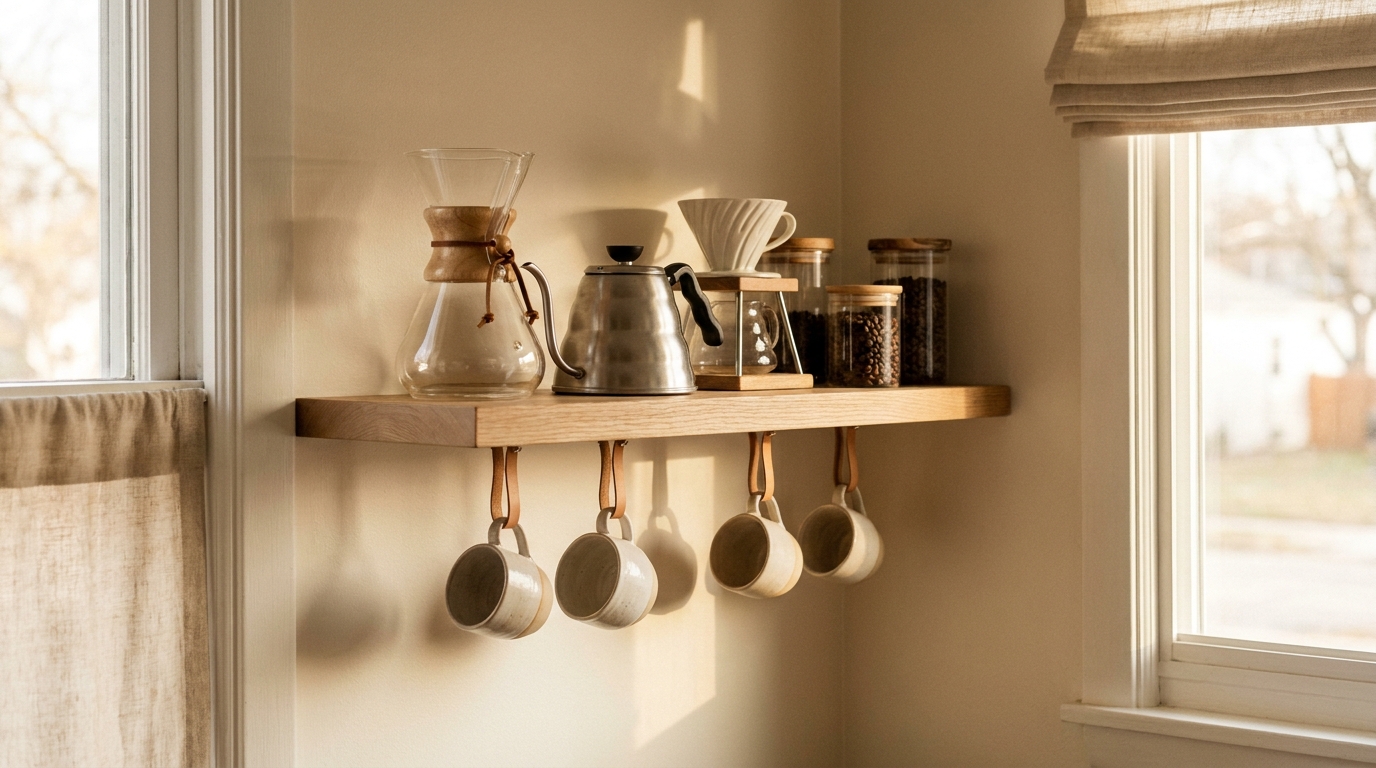
If even a small stack of mugs takes too much counter space, move it upward. Under-shelf rails keep handles visible and cups within reach without introducing another object on the worktop. They are especially useful when the station sits beneath an open shelf rather than a closed cabinet.
Check the shelf before buying: these hangers are designed for shelves up to three-quarters of an inch thick. They also need enough depth and clearance for the mugs to hang without touching the backsplash or the objects below.
Keep the display restrained. Two or three evenly spaced mugs will look intentional; a rail packed edge to edge will simply relocate the clutter.
5. Decant the beans—but only once
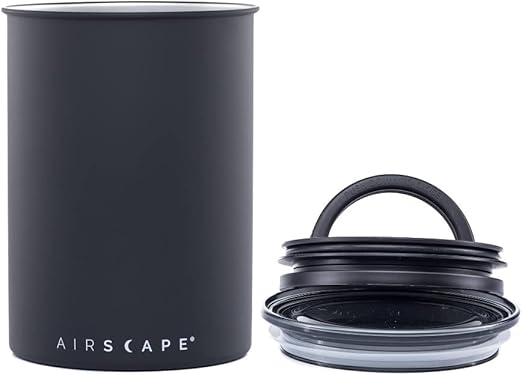
The single canister: Airscape stainless coffee canister — a compact, opaque container with an inner lid that limits the air left around the coffee.
Coffee bags are difficult to arrange neatly, but lining up separate jars for beans, pods, sugar, spoons and filters creates a different kind of clutter. Choose one handsome canister for the ingredient you use every day and place the rest behind a cabinet door.
The matte finish of the Airscape canister gives the eye a quiet pause between warmer wood and ceramic. More importantly, its inner lid moves down toward the contents rather than leaving a full container of air above them. That makes it a functional choice, not merely a decorative jar.
Skip labels unless they solve a real problem. If there is only one canister, you already know what is inside.
6. Let one grinder earn permanent counter space
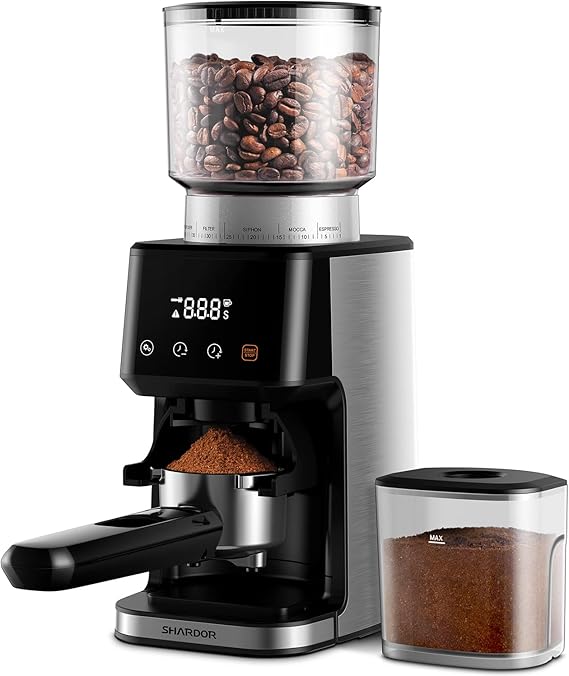
The compact grinder: SHARDOR conical-burr grinder — 4.9 inches wide, with 51 grind settings and an anti-static grounds container.
The simplest appliance rule is one brewer and, if you use whole beans, one grinder. A narrow grinder can live beside the machine without turning the coffee corner into a row of equipment. The SHARDOR model is slim enough to support that layout while covering grind sizes from espresso to French press.
This article is about the room the equipment occupies, not the finer points of brewing. If you are choosing a machine, scale or espresso tools, use our home espresso setup guide instead. Once the equipment is chosen, store spare parts, cleaning tablets and occasional accessories out of sight.
Permanent counter space should be reserved for what participates in the daily routine.
7. Treat coffee bar decor as a composition, not a theme
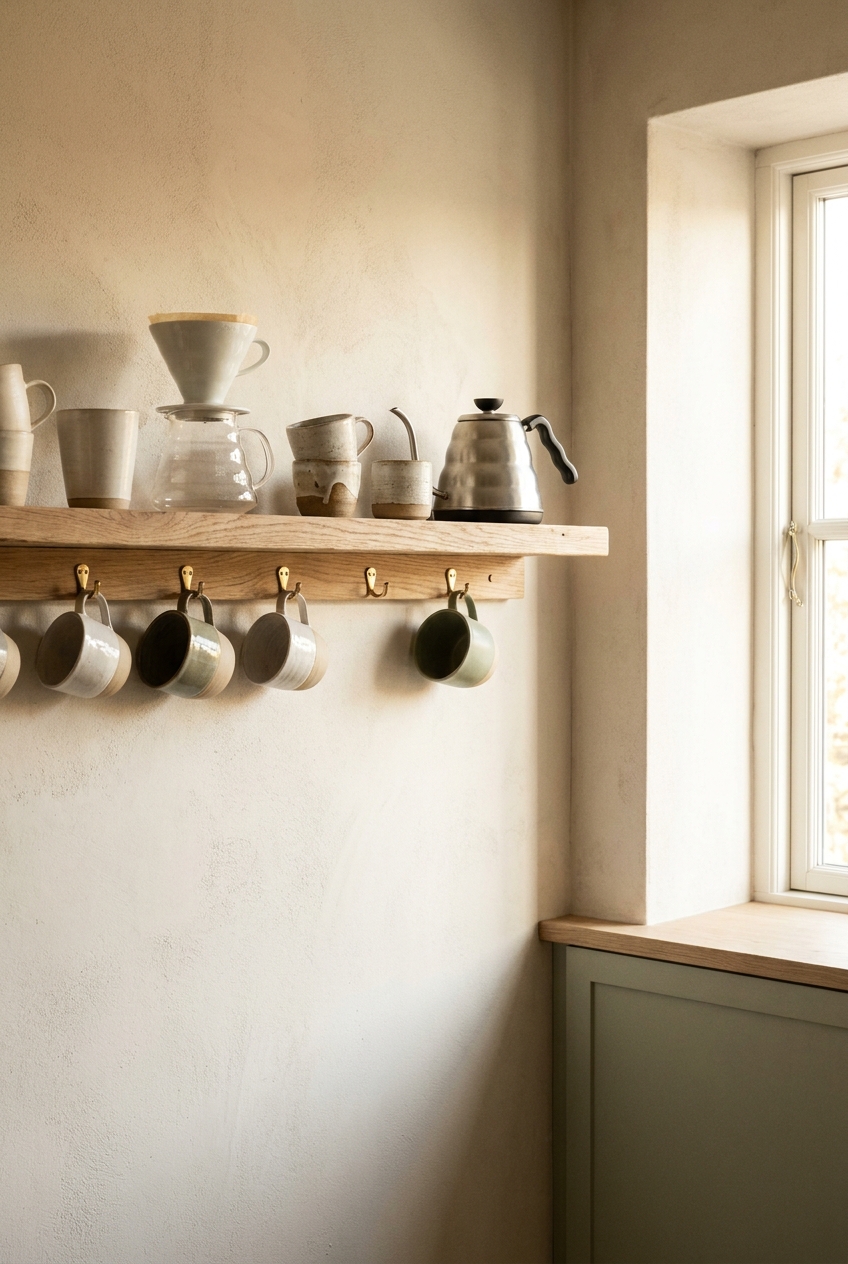
The strongest coffee bar decor does not rely on signs, slogans or café-themed accessories. It comes from repeating a small number of materials. Here, acacia and bamboo provide warmth; sage stoneware softens the stainless appliances; matte black gives the canister enough visual weight to anchor the lighter pieces.
Choose two main materials and one accent color, then repeat each at least once. A wood riser and wood tray belong together. A sage mug can echo a dish towel or a single stem of eucalyptus. Stainless steel already appears in the appliances, so it does not need another decorative object.
Then edit. One framed print or small branch can add height, but only if it leaves room to make coffee. Avoid a leaning board, stack of books, candle and vase all competing behind the machine. A practical corner should still look good when the cup and spoon are missing.
8. End with a five-second reset
The best coffee bar ideas survive an ordinary weekday. Give every visible object a home close enough that resetting the station takes no more than a few seconds: mug into the dishwasher, beans into the canister, grinder lid back on, cloth hung away and machine returned beneath the cabinet.
Keep a small bin or drawer nearby for the less photogenic parts of the routine—filters, capsules, cleaning brushes and opened packets. If an item repeatedly gets left out, its storage place is probably too far away. Move the storage rather than relying on better habits.
Once a week, wipe the base and return objects that have drifted into the zone. The goal is not a coffee corner that always looks untouched. It is one that is easy to use, easy to clear and pleasant to see when the rest of the kitchen is quiet.
A considered coffee station is simply a daily sequence given a home. Define the footprint, build upward, keep the useful pieces close and let everything else disappear.
Sliding bamboo appliance tray
It defines the machine zone and lets the appliance move forward from beneath upper cabinets.
View at Amazon Telinego acacia countertop riser
A small wooden shelf that creates a second level without widening the station.
View at Amazon Ava Nord stoneware mugs
Four matching 12-ounce mugs in a muted Sage Ash finish keep the visible collection coherent.
View at Amazon xympo clip-on mug hangers
A screwless pair of rails that uses the empty space beneath a shelf.
View at Amazon Airscape stainless coffee canister
A compact, opaque container with an inner lid that limits the air left around the coffee.
View at Amazon SHARDOR conical-burr grinder
A narrow grinder with 51 settings and an anti-static grounds container.
View at Amazon